SAKAZU ENOKI
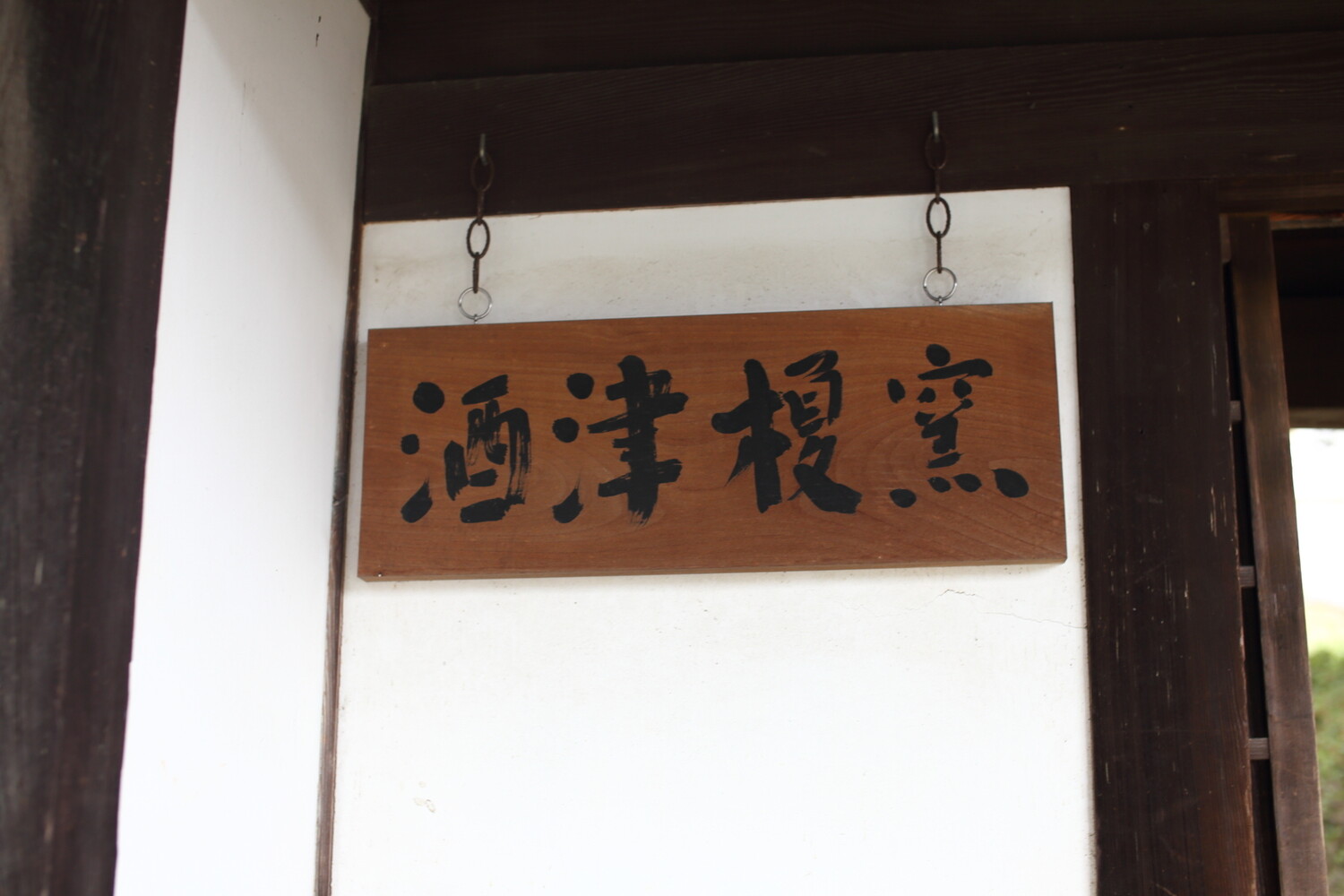
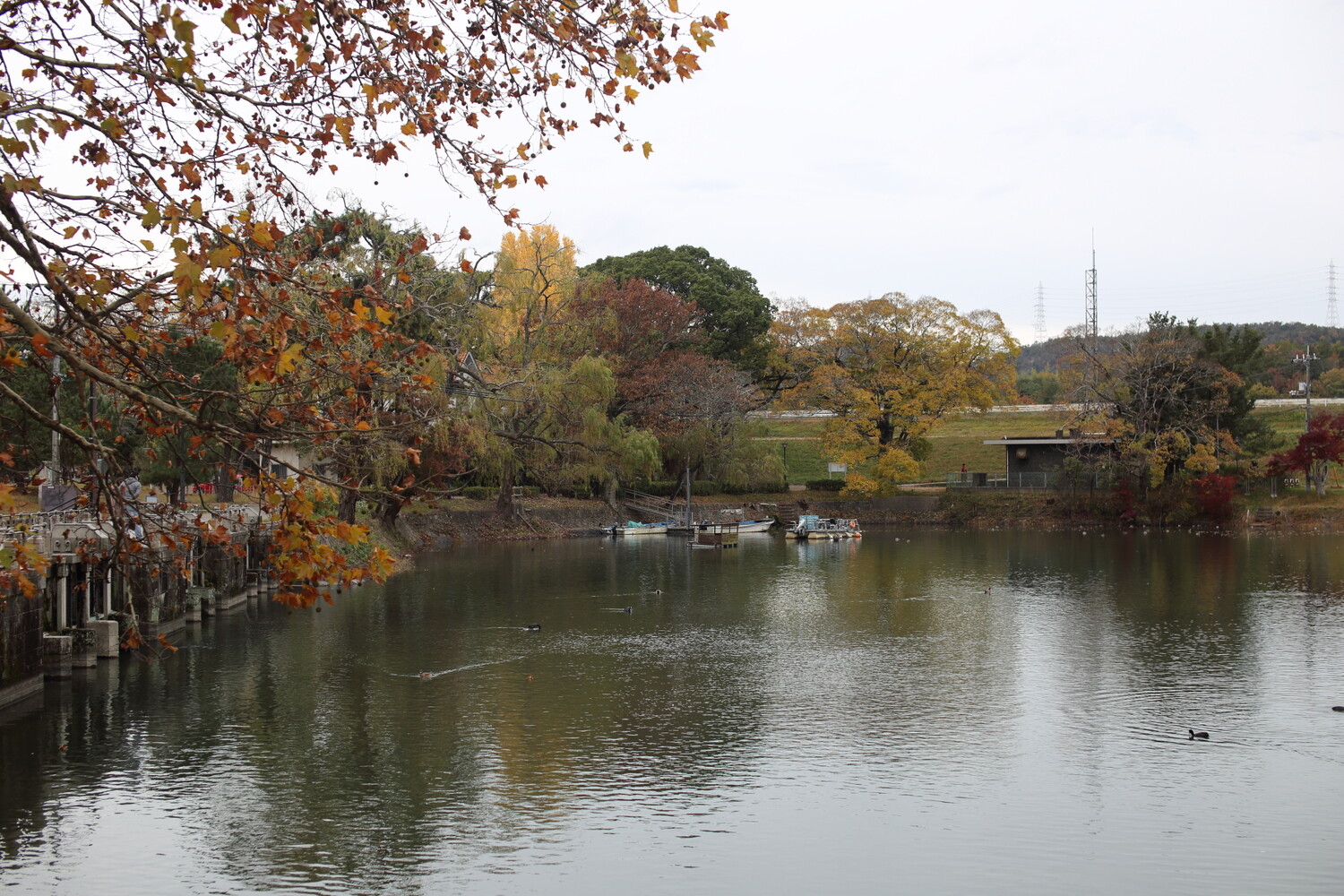
Ritsuji Takeuchi’s home and Sakazu Enoki Kiln workshop stand near the Takahashi River in Kurashiki, Okayama.
The area is known locally and among pottery lovers for Sakazu ware. Nearby Sakazu Park, with people strolling and small children playing, adds to this green, natural setting.
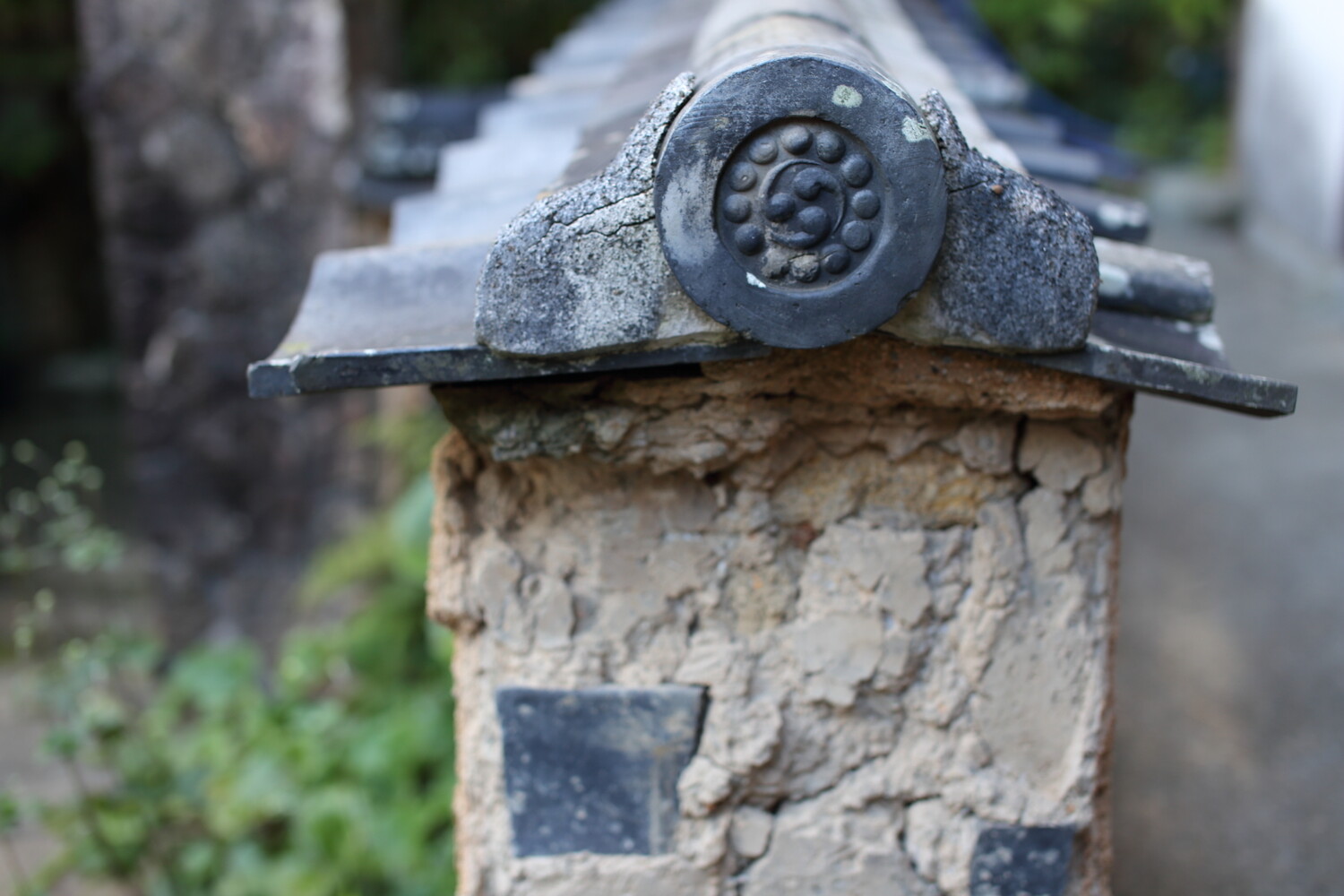
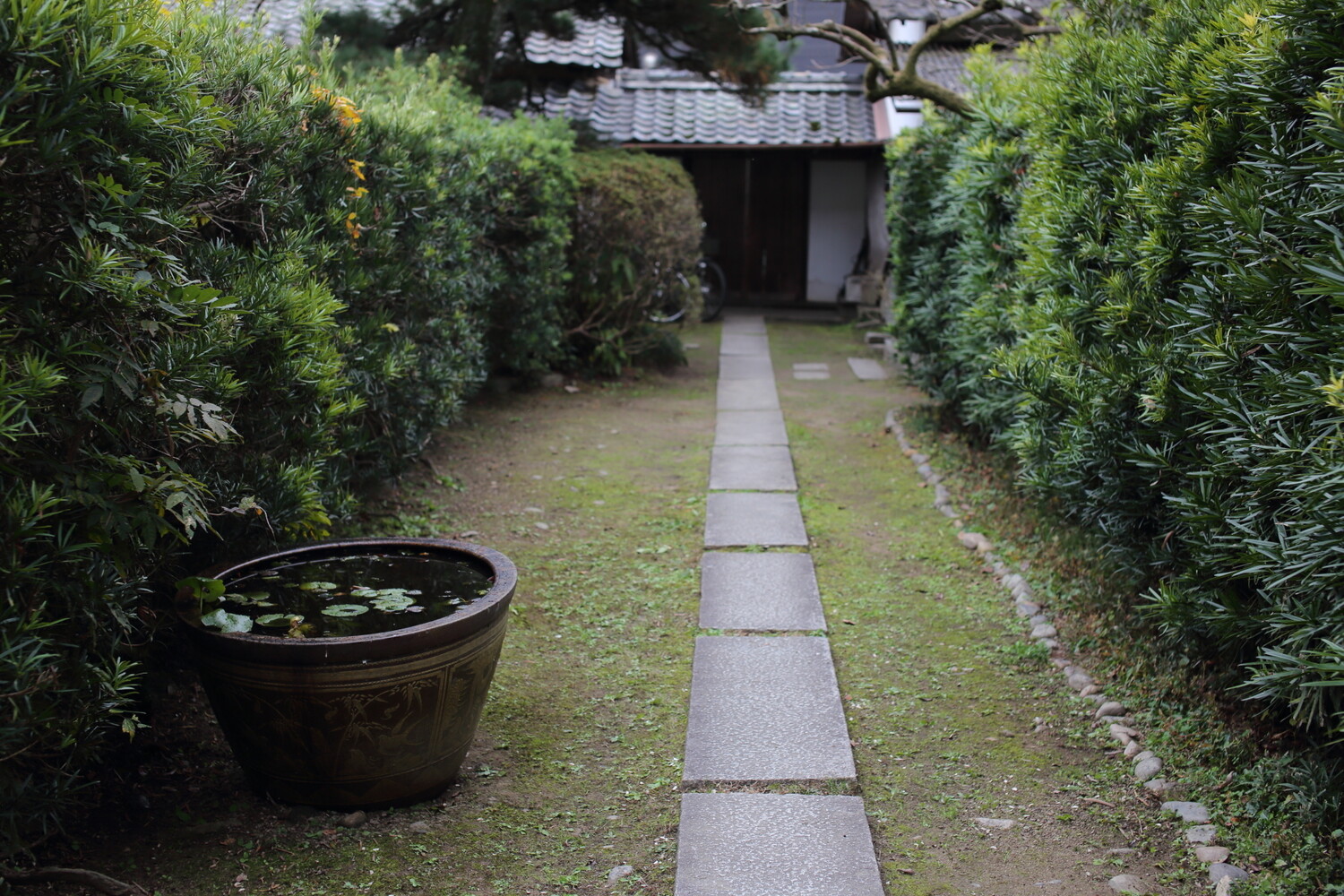
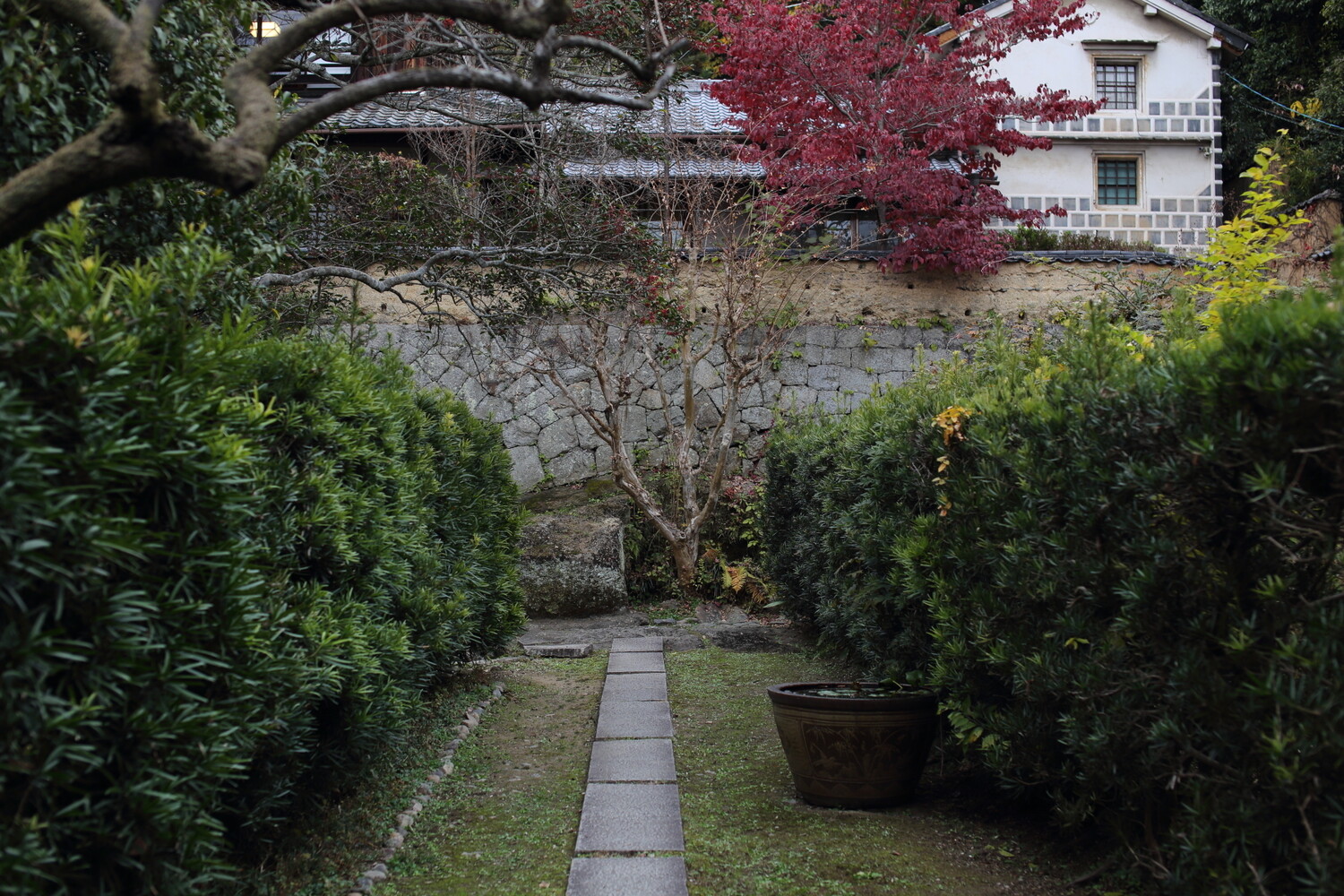
Following a narrow lane between Sakazu’s houses, you come to a long, beautiful stone wall. Neither too high nor too low, it has the simple dignity and ease we feel at the Japan Folk Crafts Museum in Komaba or beside old walls in Okinawa. The grounds are so extensive that without the Sakazu Enoki sign it would be hard to find the entrance. Ringing the bell and stepping inside, we are greeted by tall, freely growing trees, and beyond them a beautiful house that seems to belong to another time.

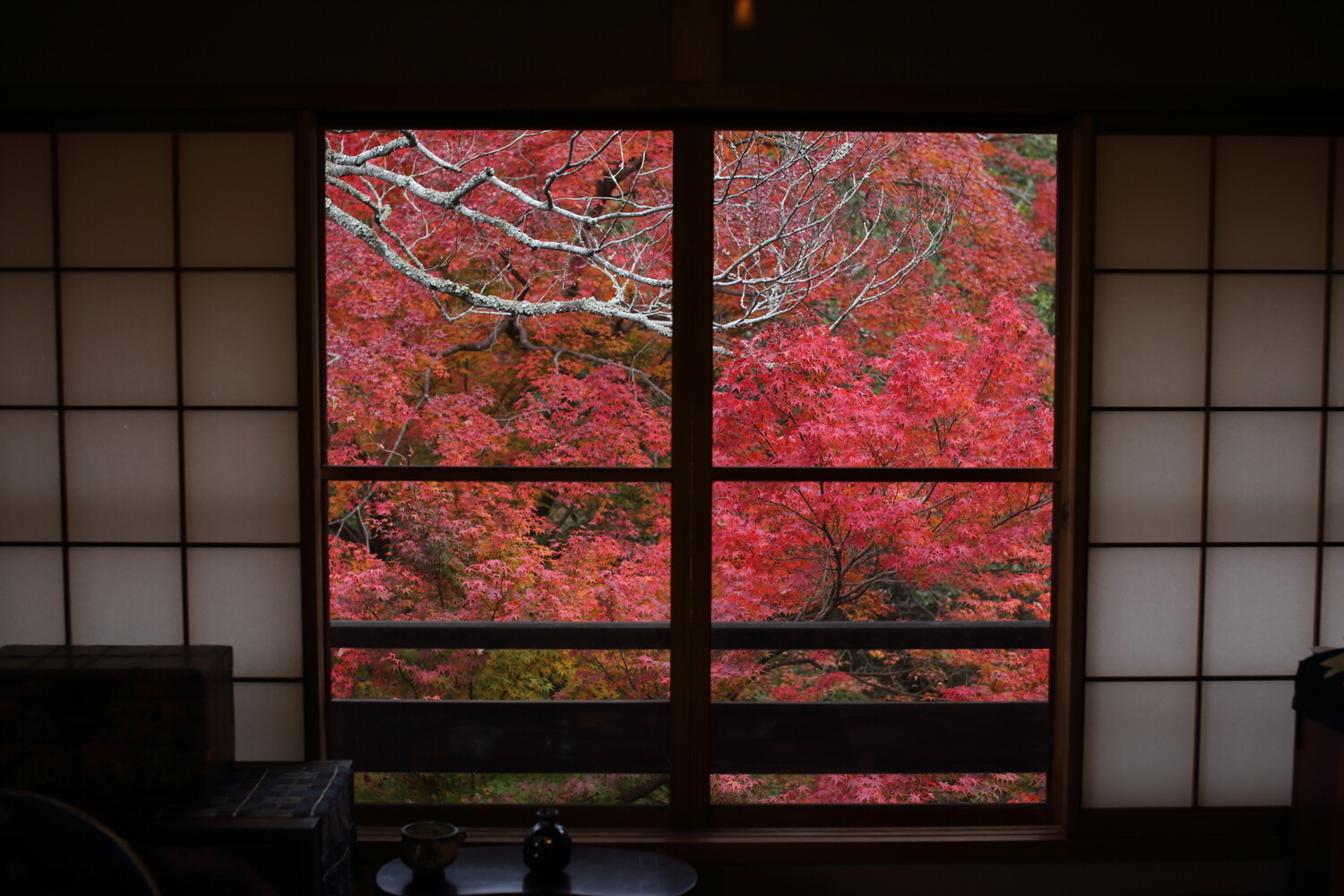
Inside, everything delights the eye: beautiful Joseon-period furniture, views from the rooms, a table draped with Samiro Yunoki’s cloth. Each object feels carefully used and cherished across generations. It is little wonder: Ritsuji’s grandfather was Kiyoma Takeuchi, the first director of the Ohara Museum of Art, and his father an architect. Maki Takeuchi of Kurashiki Tsutsumi Kiln, also in Sakazu, is his cousin.
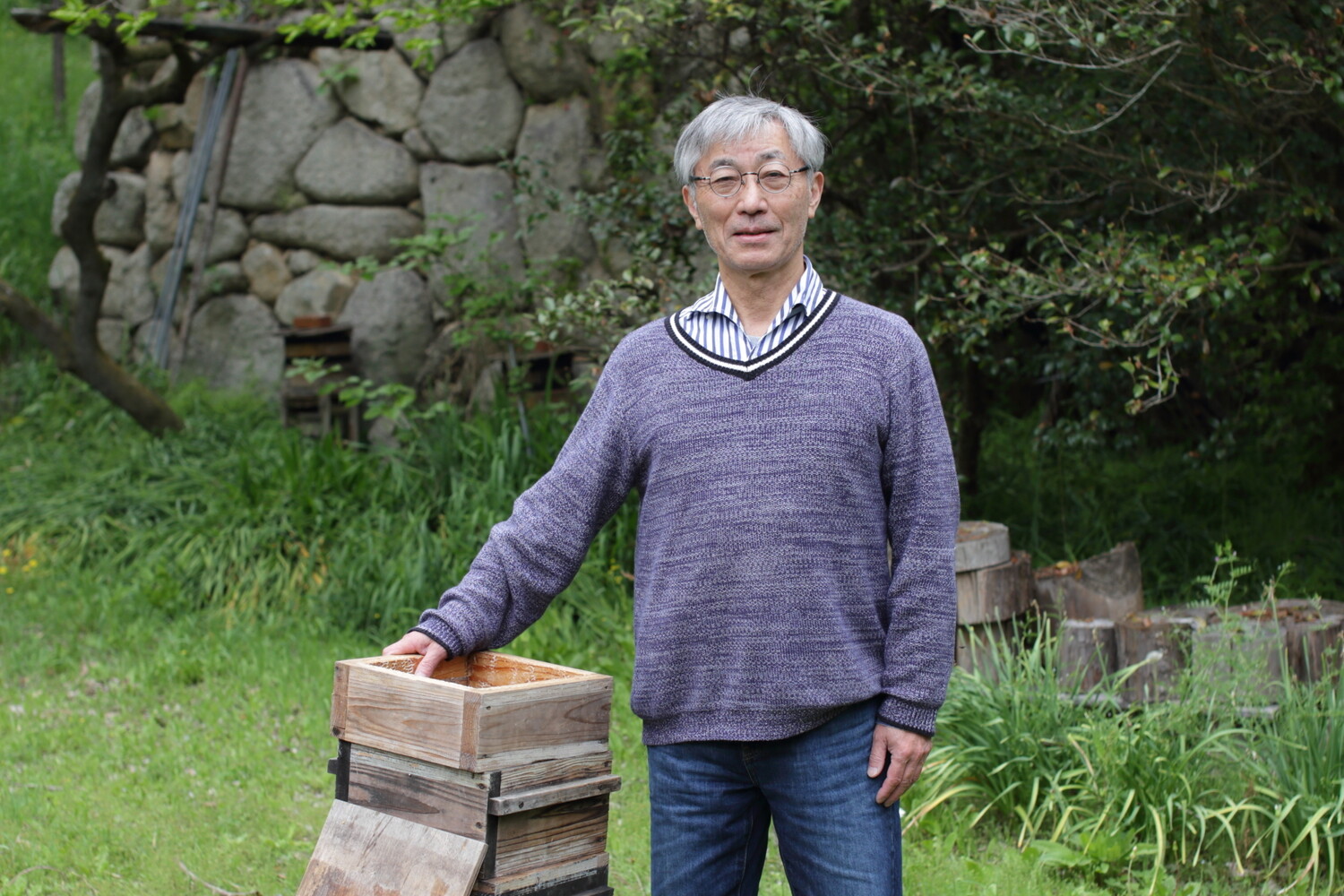
Mingei is said to be a way of living, and listening to Ritsuji, we feel that it has been part of him since birth. He says he does not work within a mingei framework. Rather, his family’s enjoyment of seasonal life combines with what he saw and felt travelling through Asia, Europe and North Africa after university to form the roots of his work.
From Ritsuji Takeuchi’s profile:
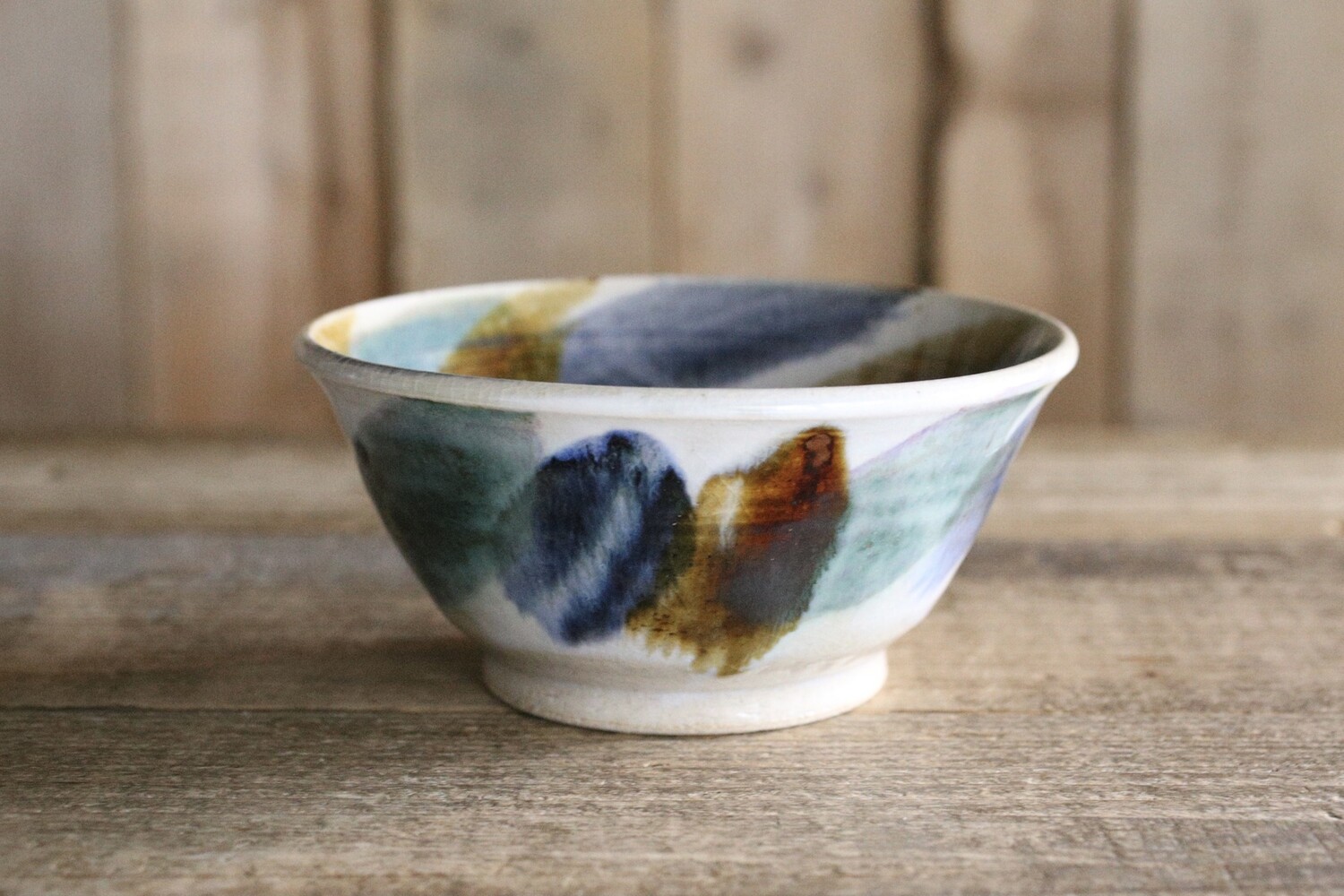
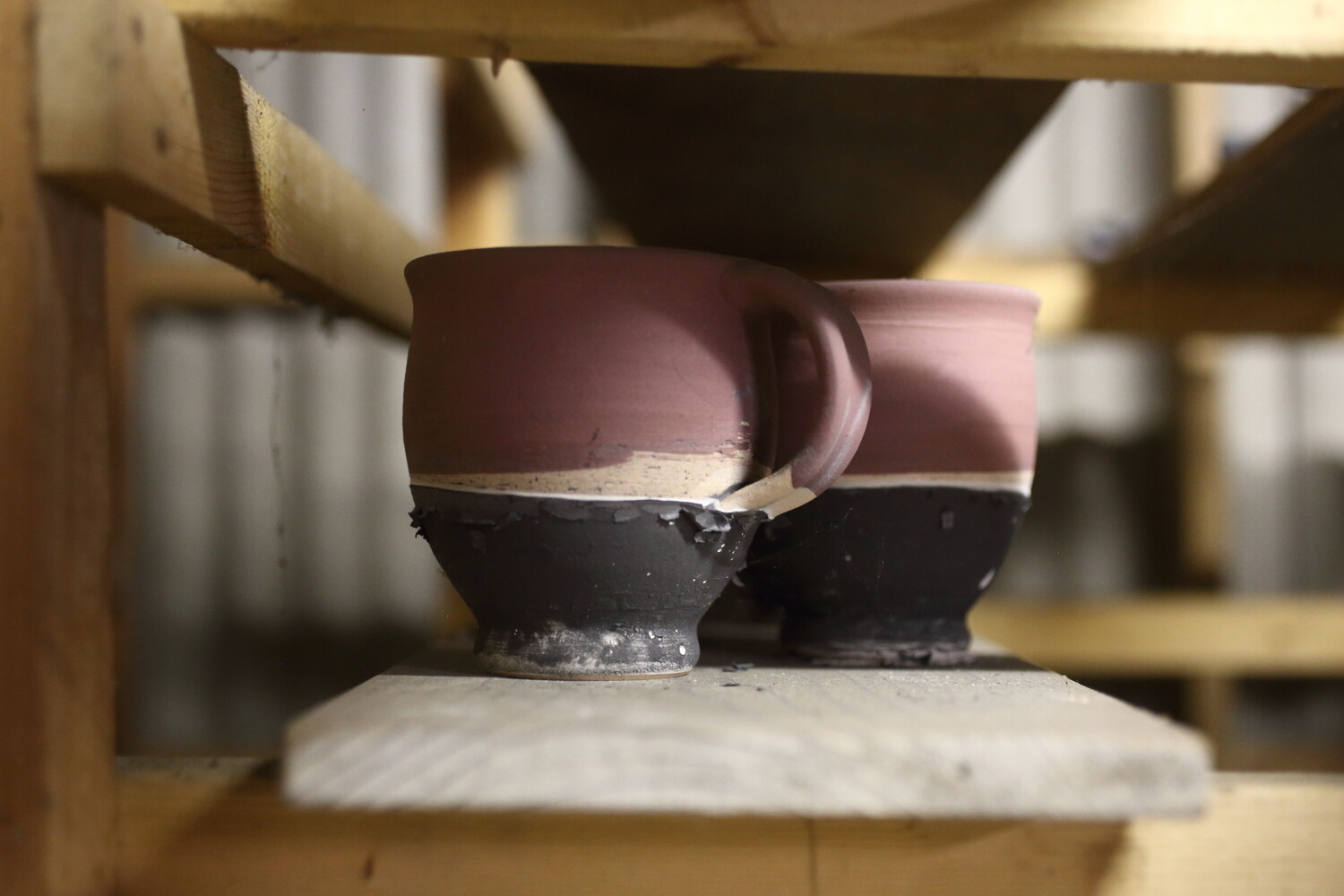
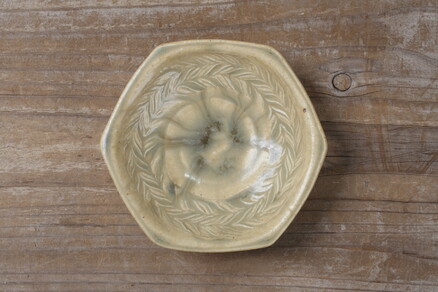
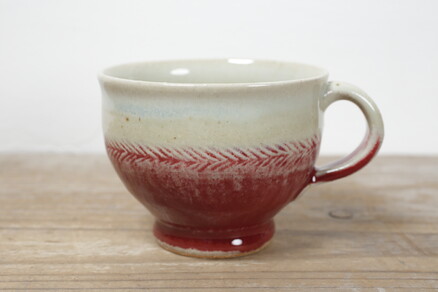
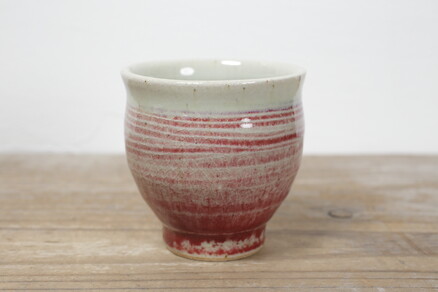
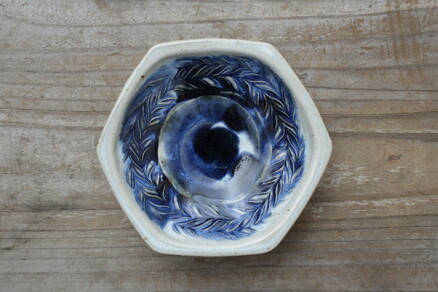
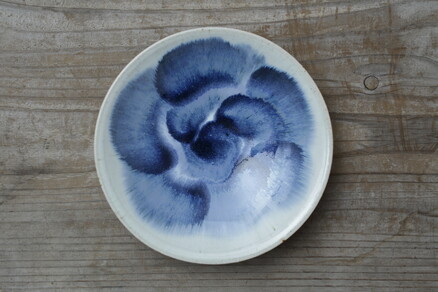
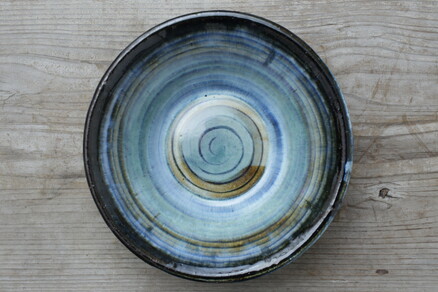
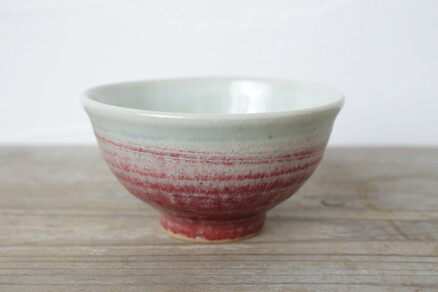
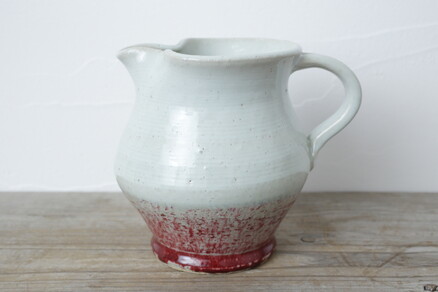
‘Since building my kiln, I have remained captivated by copper red and cobalt blue, seeking substantial forms and strong expression together with the power of these glazes. Clear red, profound blue: these two starting points hold a special meaning for me. They are the colours of the people and nature of the Asian continent that I once travelled and loved. Standing on that vast landscape and deep history, I approach my work each day determined, as a fellow Asian, to create work for a new age.’
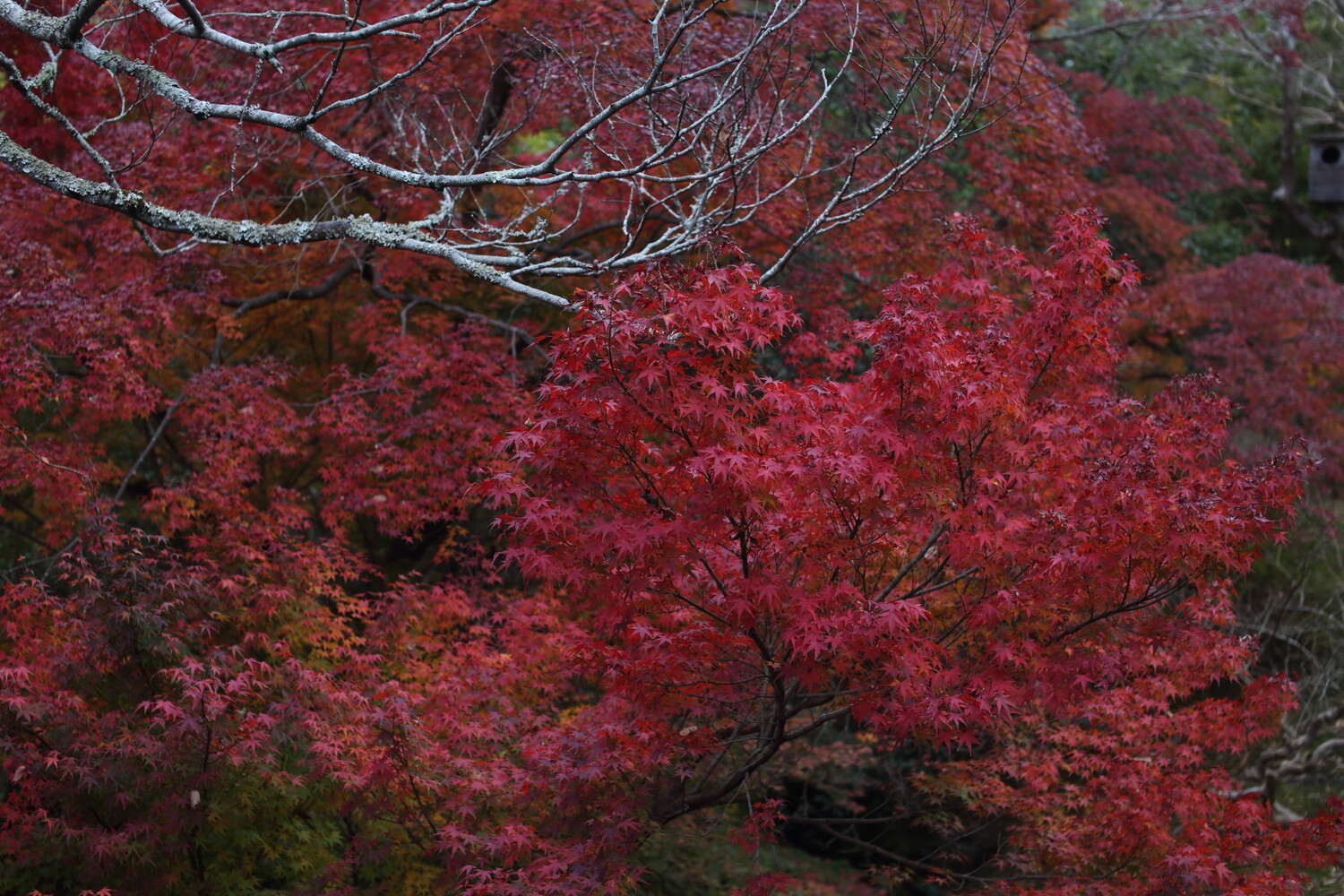
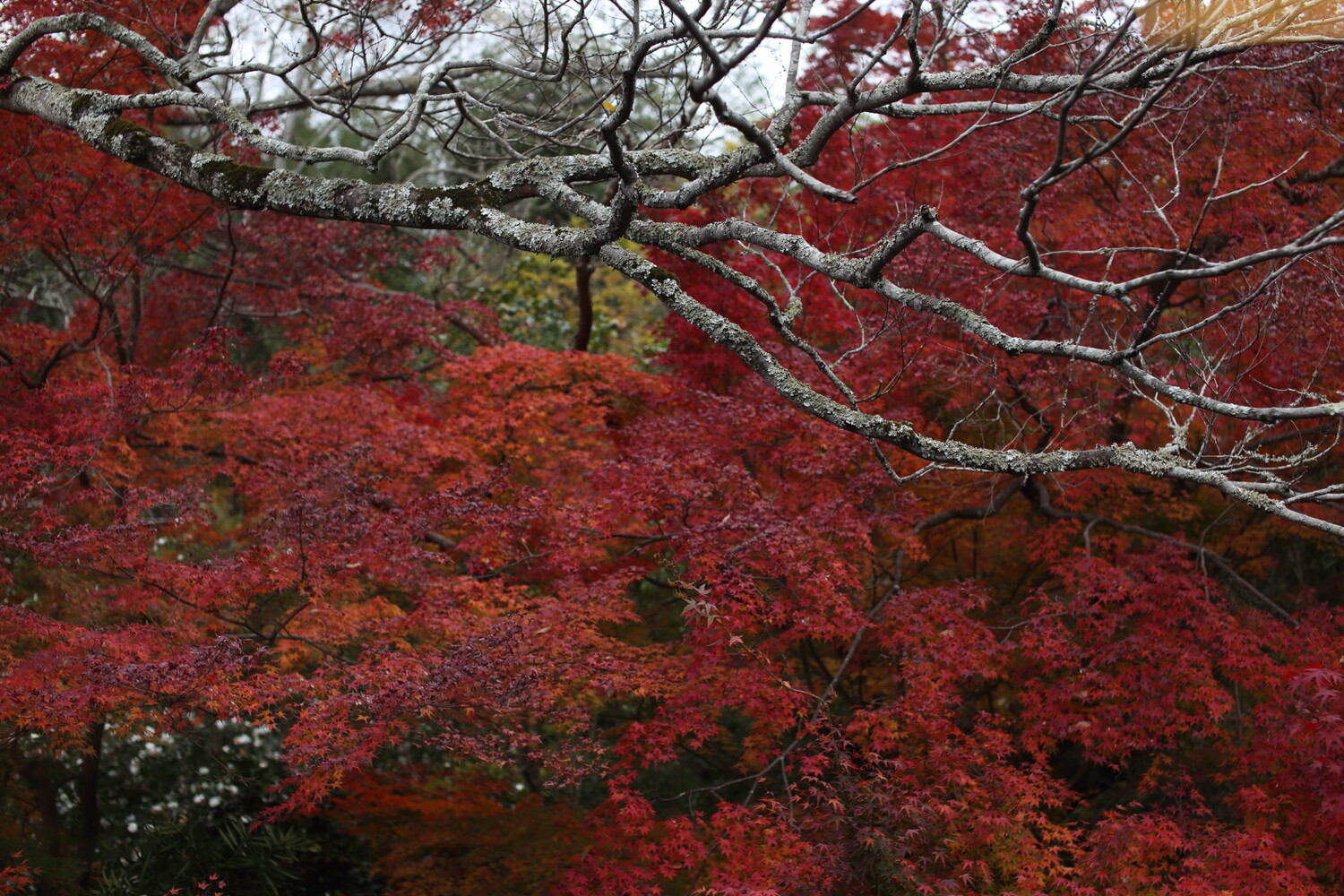
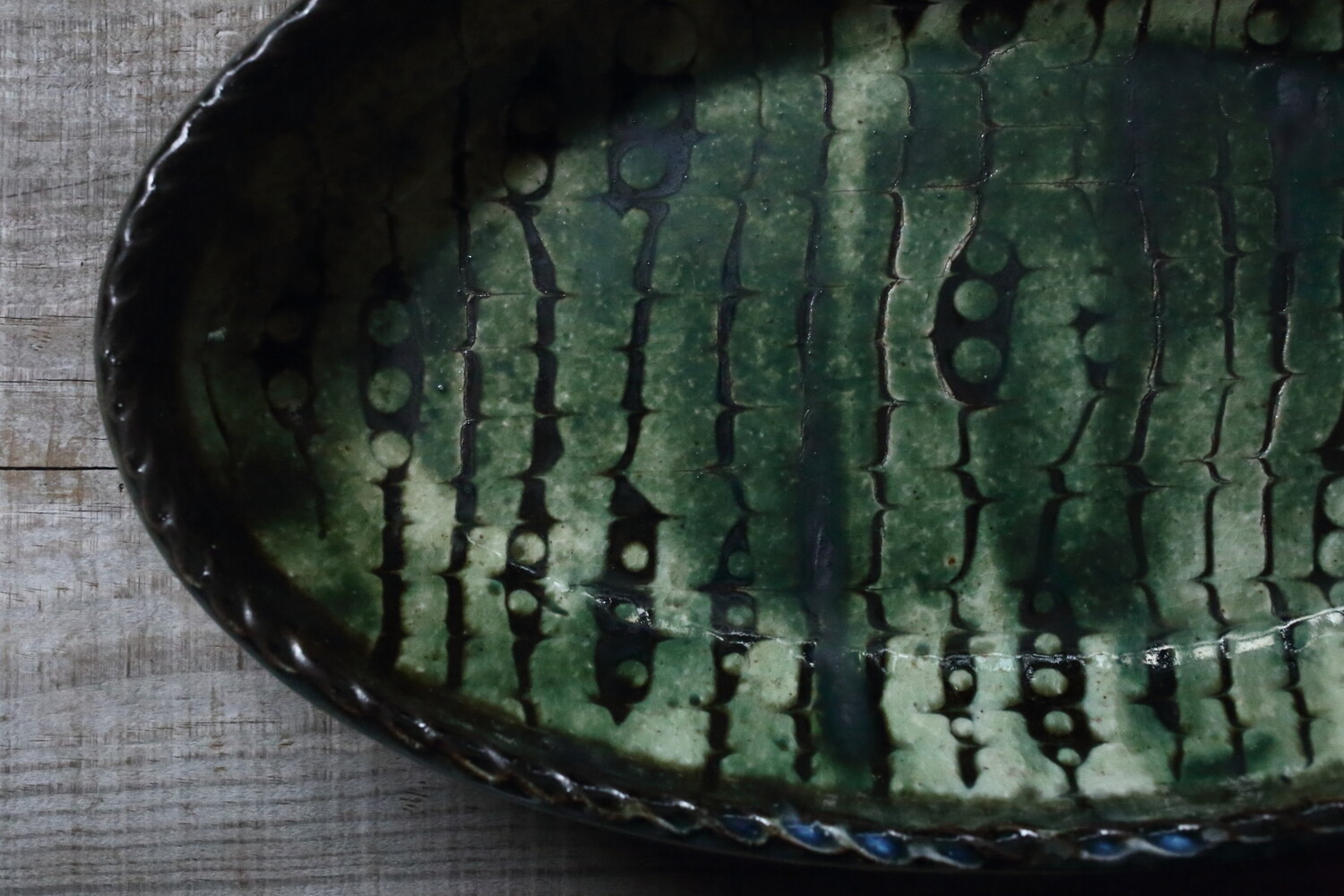
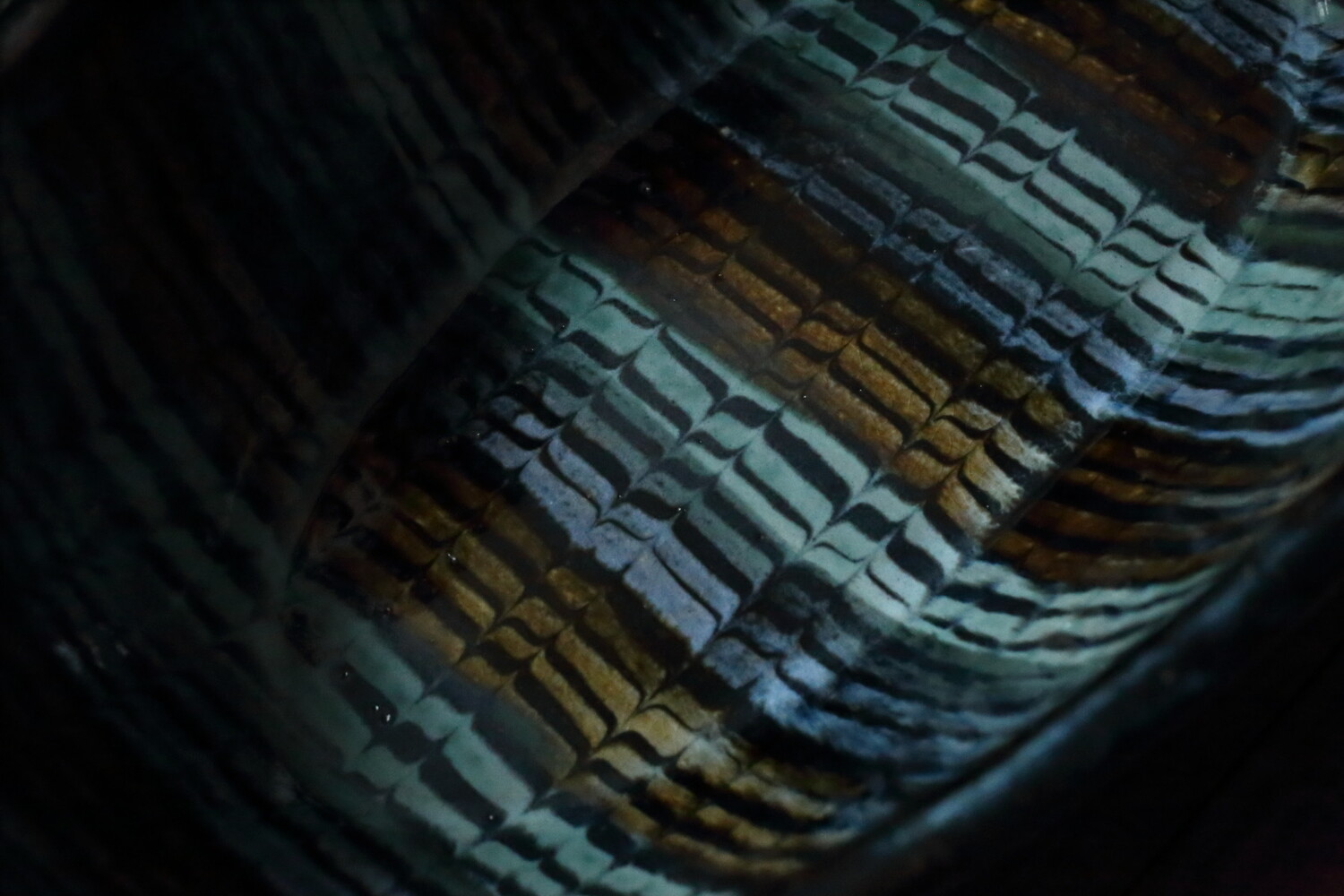
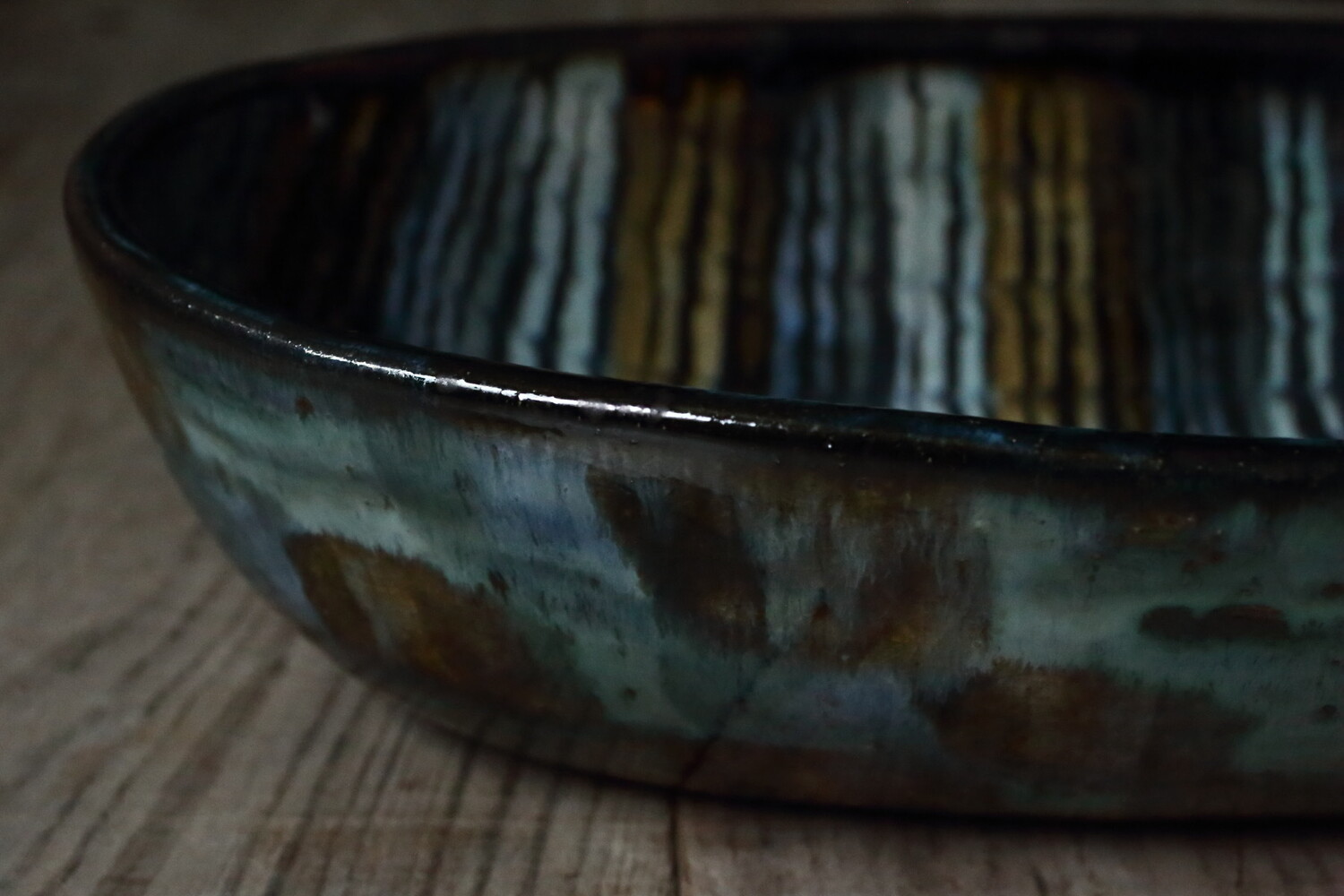
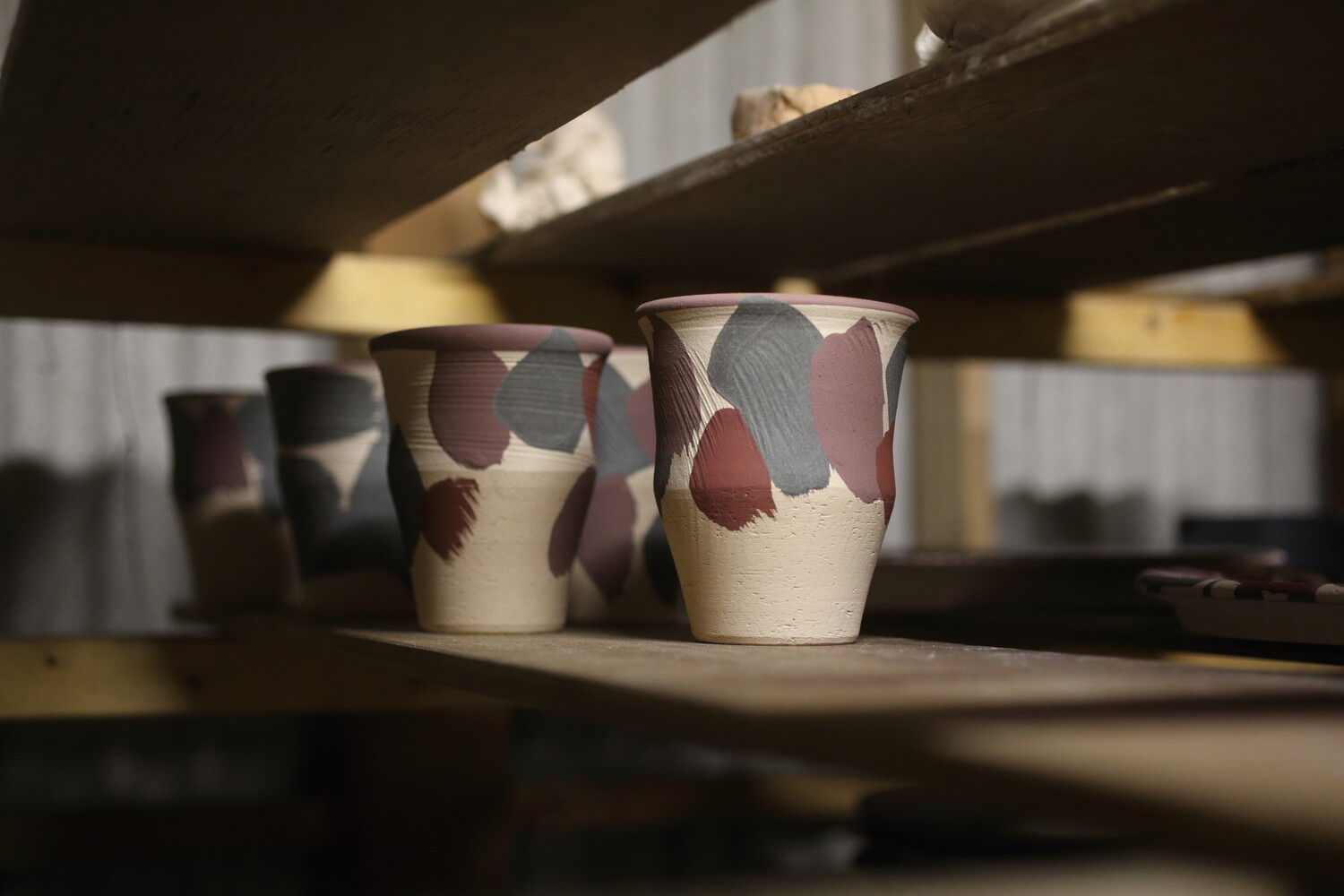
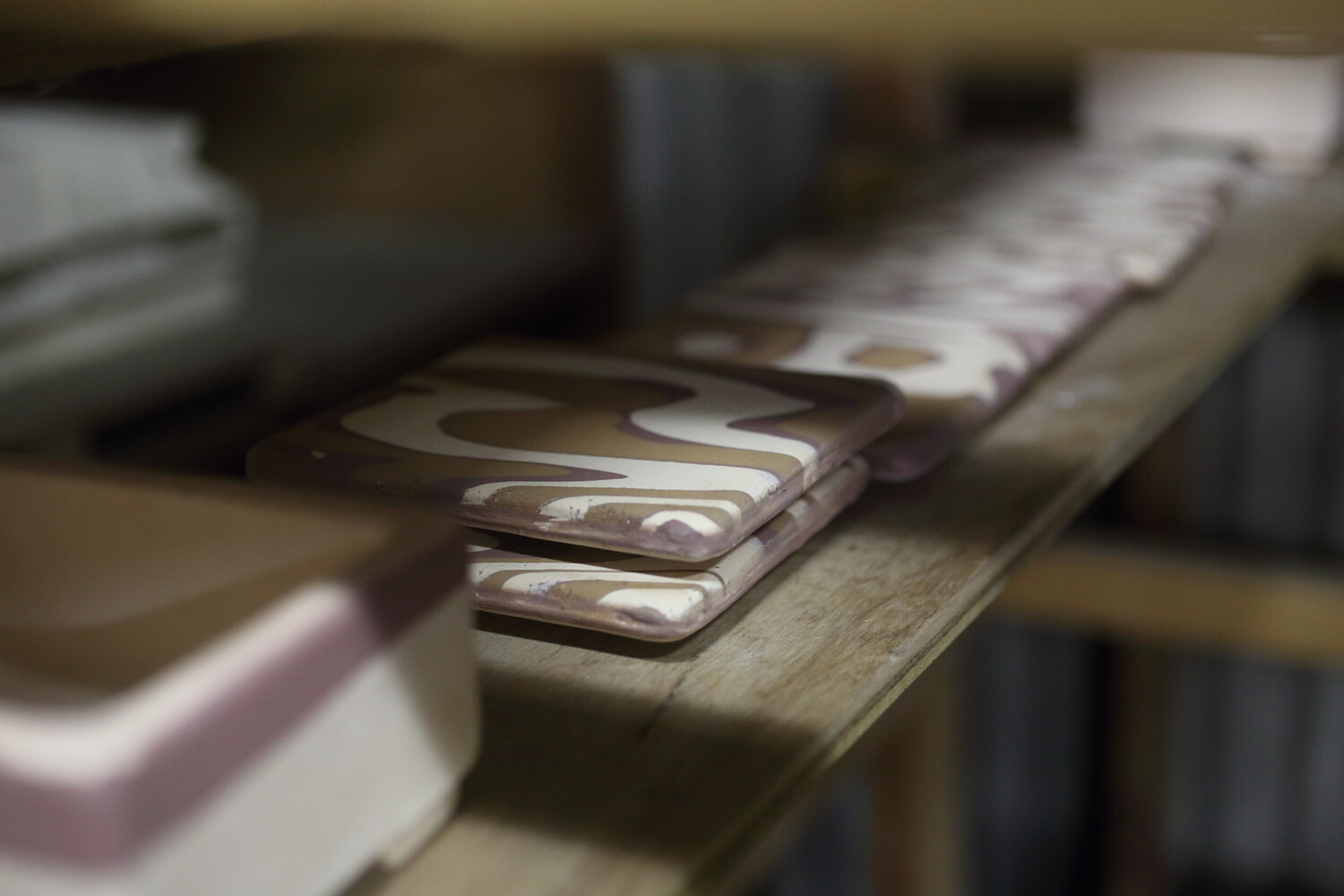
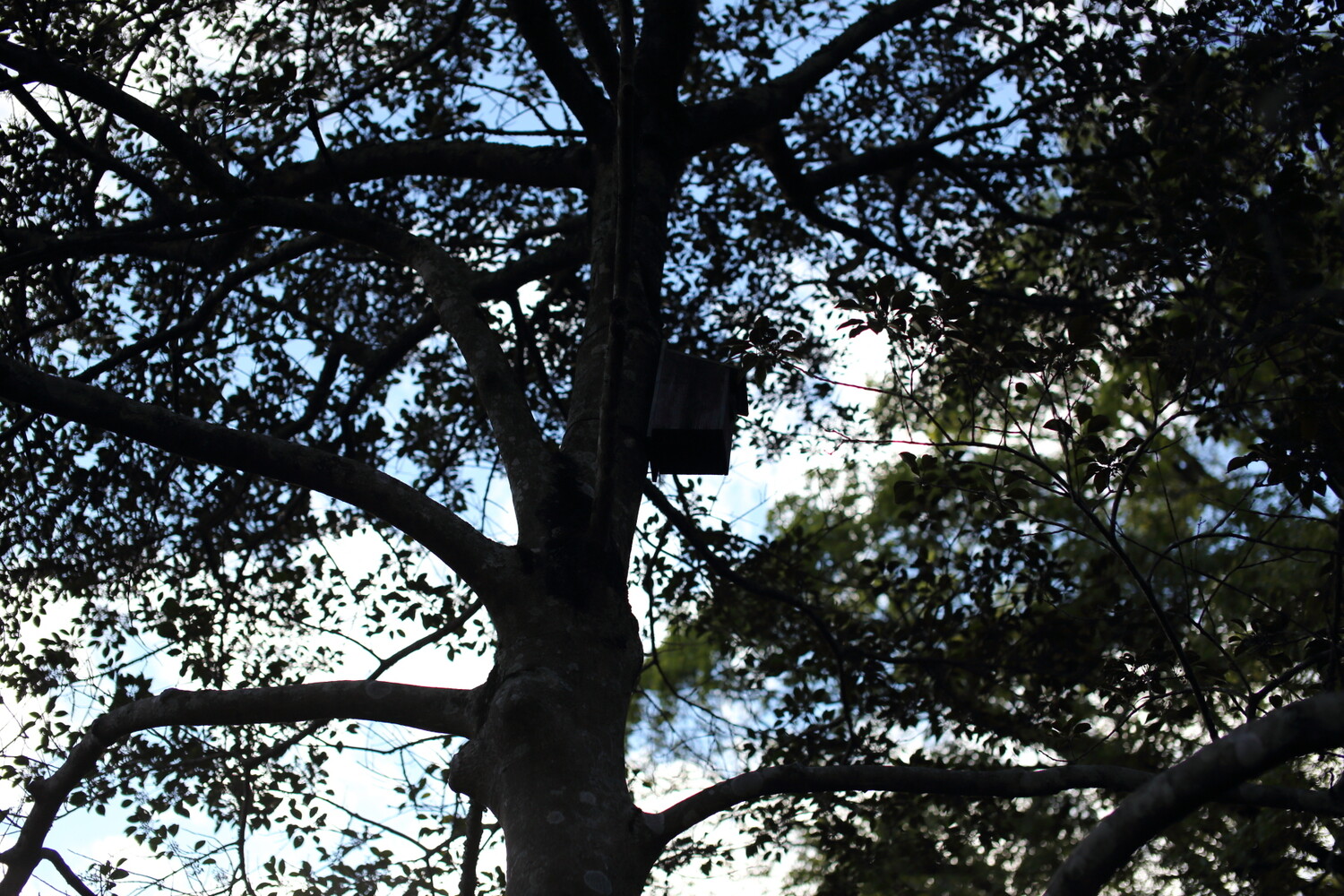
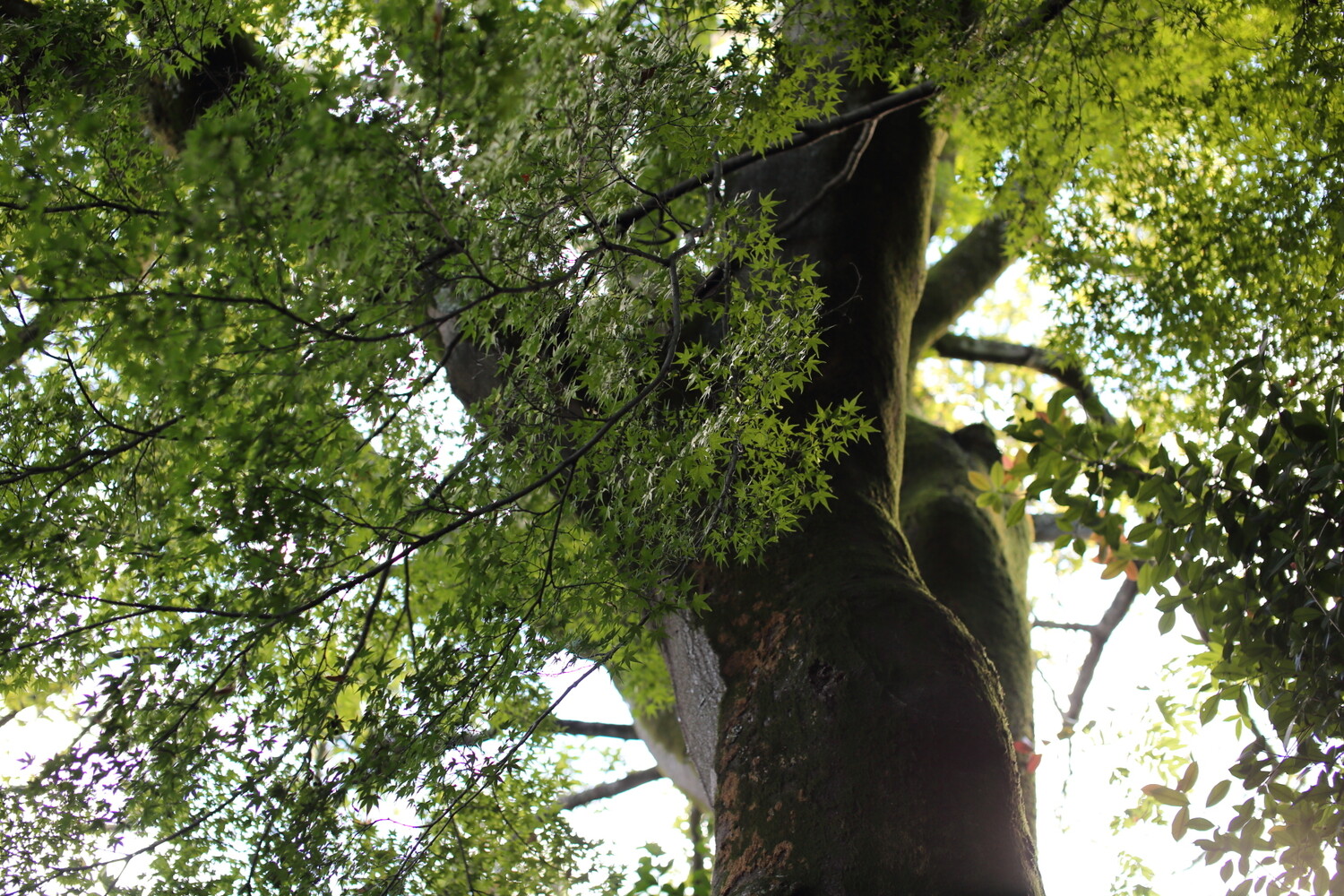
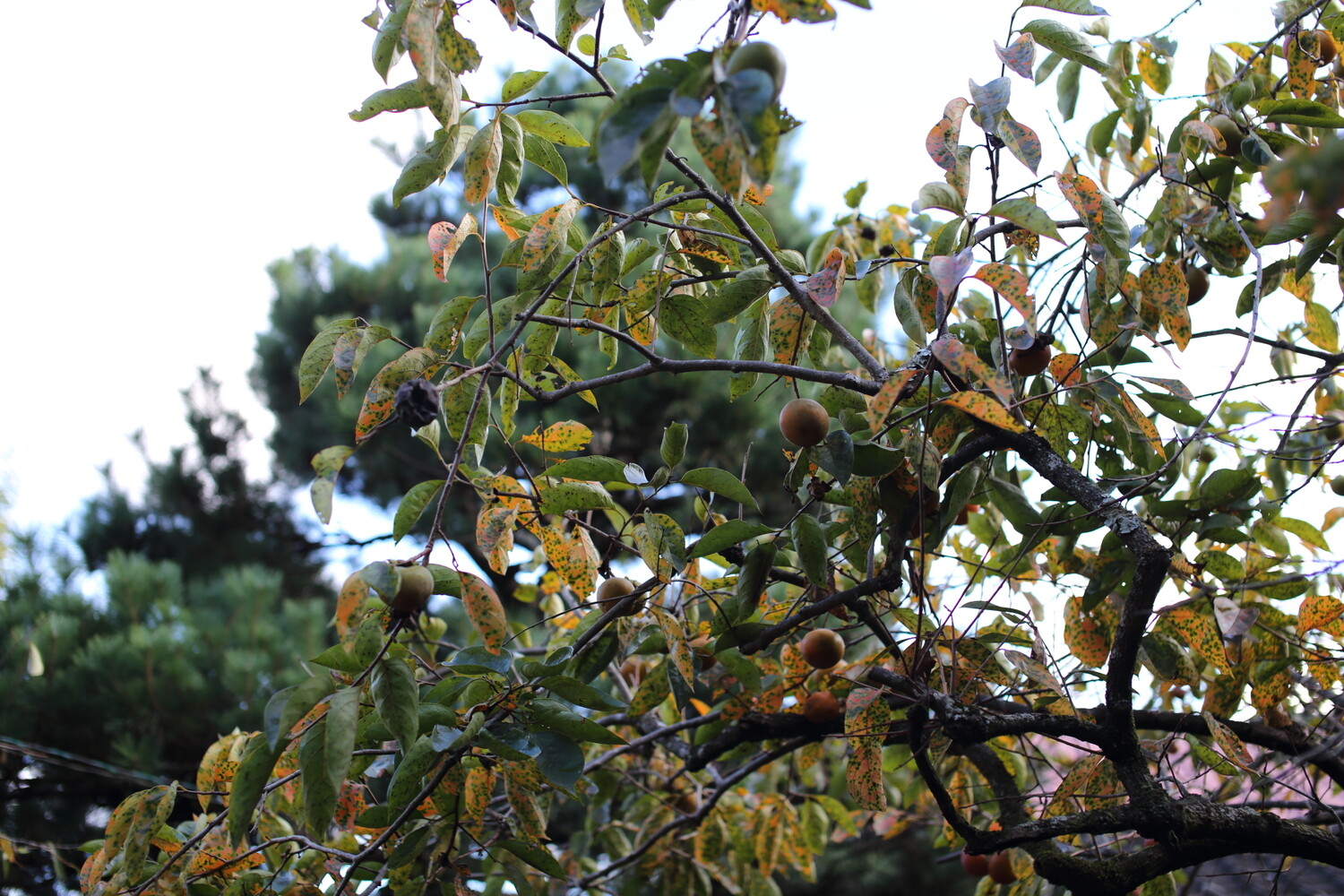
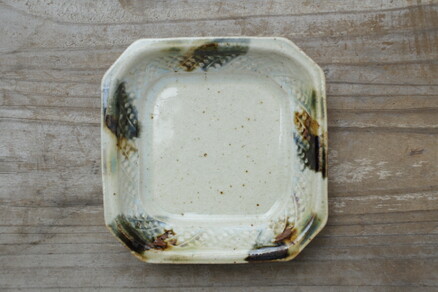
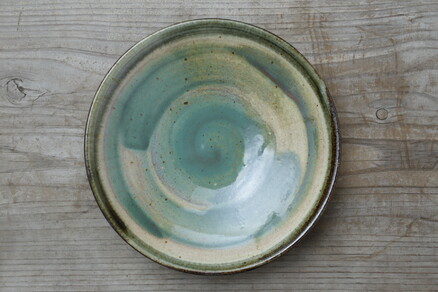
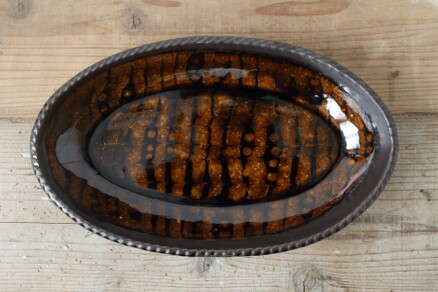
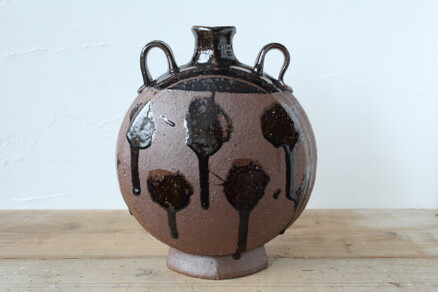
Takeuchi’s pottery has a painterly beauty. Mixing porcelain clay into his pottery body creates distinctive textures and colours. A certain whiteness in the clay allows vivid hues and shadows that sometimes recall oil paintings in a Paris museum. At his home, autumn foliage and birdhouses among the trees offer a sense of the source: birdsong, feather colours and changing leaves—the things seen every day nourish his making.
The family enjoys gathering mountain plants, mushrooms and truffles, fishing in season, and skiing in snowy mountains in winter. Their pleasure in life runs alongside their work. Seeing how happily they spend time with their now-grown children suggests a long respect for family time and each individual. That openness appears in pottery that reaches beyond its maker’s own world.
His pieces also sit beautifully with Scandinavian and other European porcelain, making the arrangement of a table a pleasure. We hope you enjoy them.
Photo gallery

Terms & Conditions
Newsletter
Sign up for our newsletter:
Biography