KIMANO
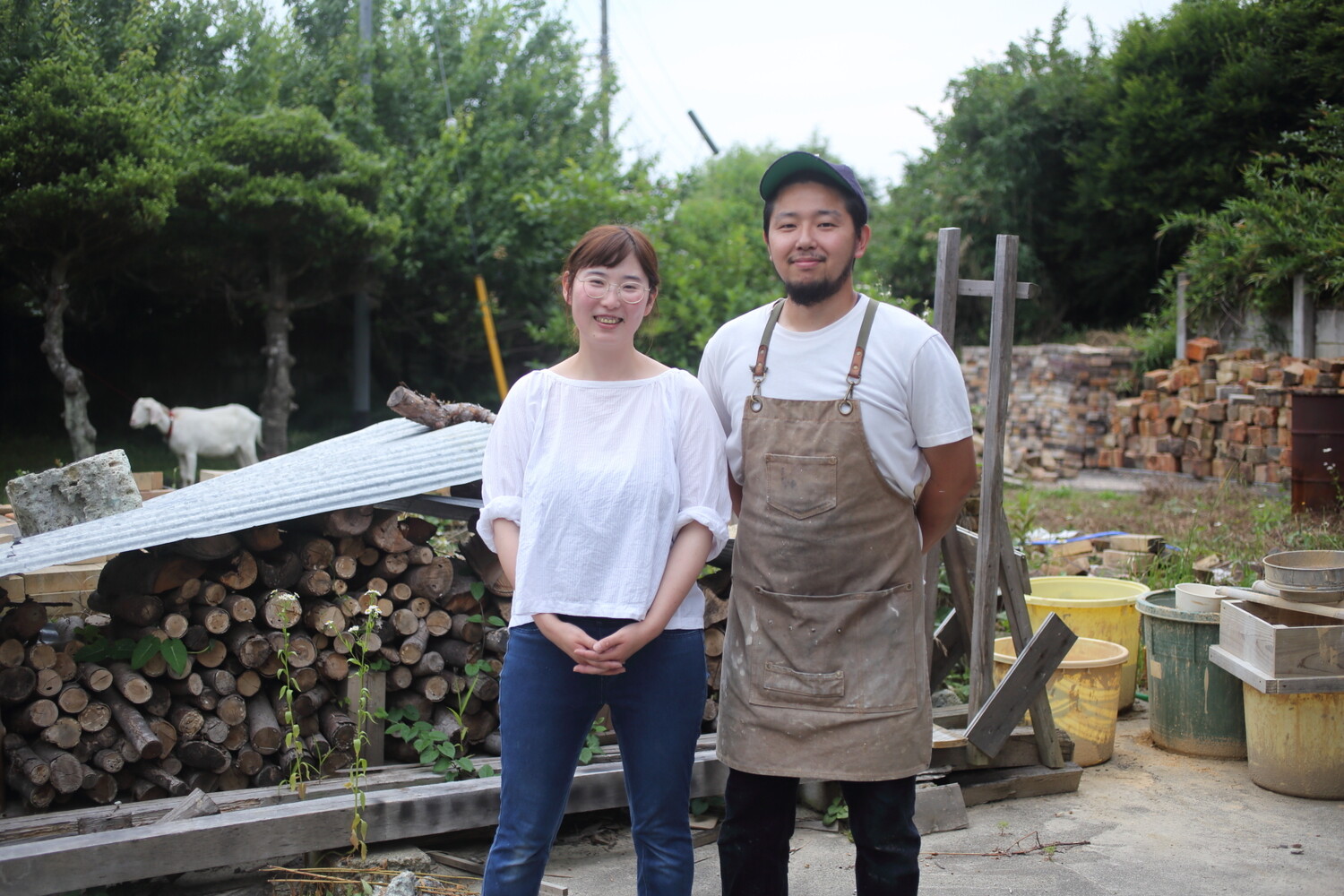
Kimano Pottery is the work of husband and wife Shinya and Hikari Kima. After studying pottery as a research student at the Mashiko pottery training centre, Shinya apprenticed under Minoru Chibana at Yukutayagama in Yomitan, Okinawa. Around the same time, Hikari graduated from Wimbledon College of Arts in London, then joined the same workshop to learn pottery under Chibana.
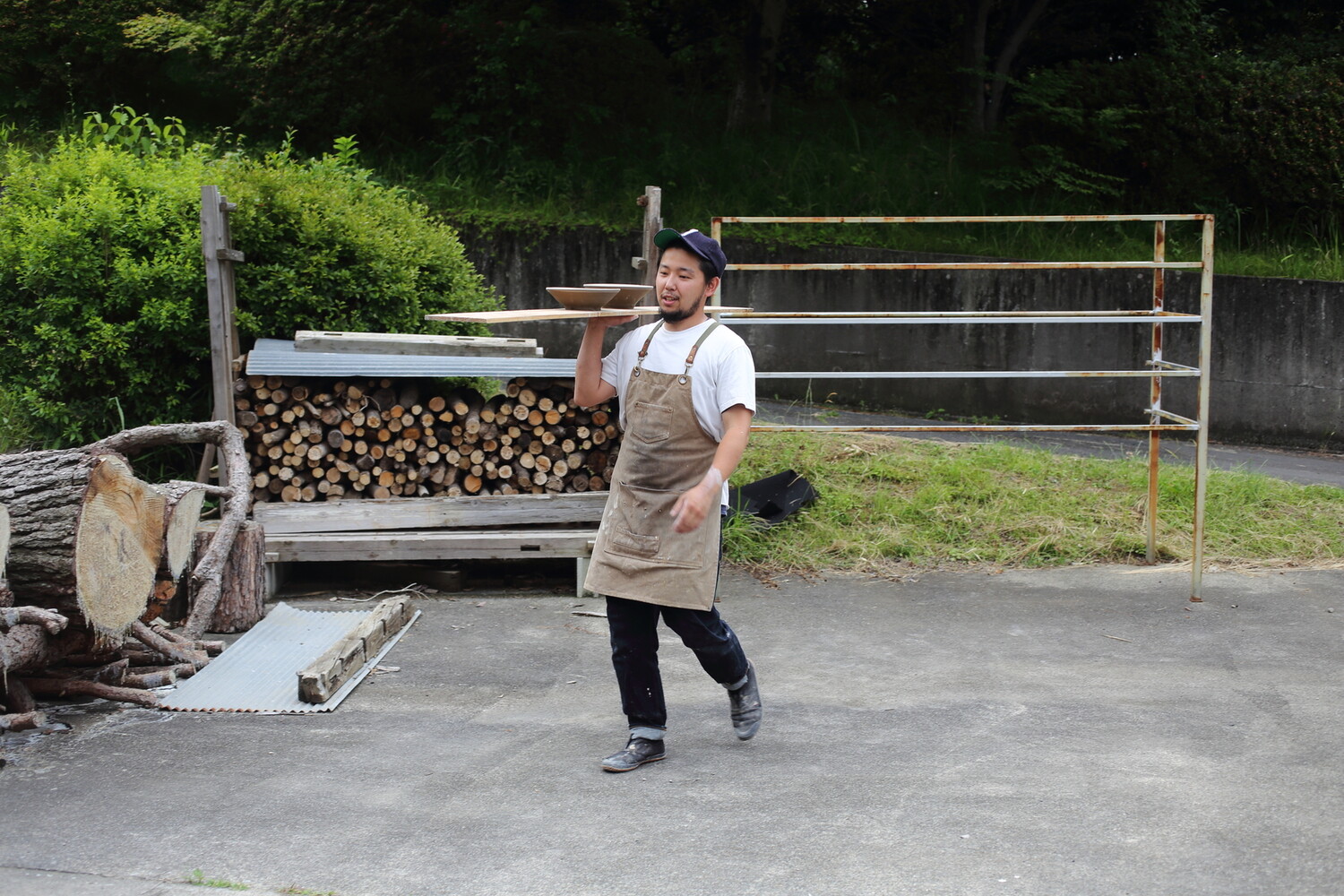
Both deeply respect Okinawa’s pottery culture, way of life and people. Yet clay resources on the island are limited, and they felt those should be left for Okinawan potters. They therefore moved to Mashiko, where Shinya had contacts from his studies. Clay, red pine for firing and neighbours who understood the building of new climbing kilns made this pottery town an excellent place to work. They were also fortunate to acquire a relatively new gas kiln from a retiring workshop. It was Otsuka of Daisei Kiln in Mashiko who introduced us to them.
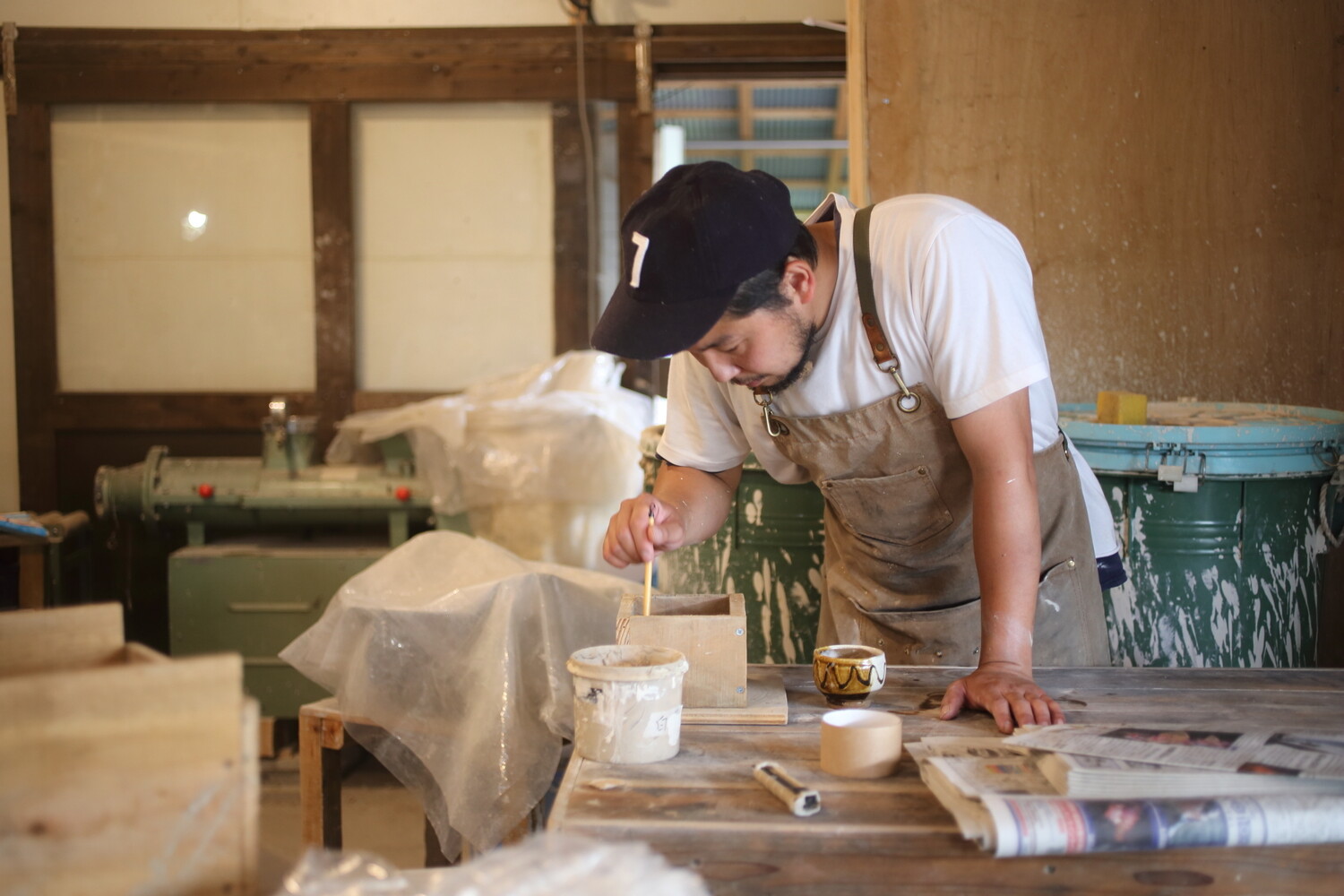
They bought land in Nabatame, Mashiko, and built a workshop with their home beyond it. Using Mashiko materials and the Okinawan yachimun techniques they learned, they make pottery that is their own. They neither reject their training nor copy it unchanged. Okinawan makai bowls, for example, are relatively shallow for rice; the Kimas prefer a generous serving, so make deeper rice bowls. Calling these makai would be misleading, so they simply call them rice bowls. Respect for their apprenticeship flows naturally into their own way of making.
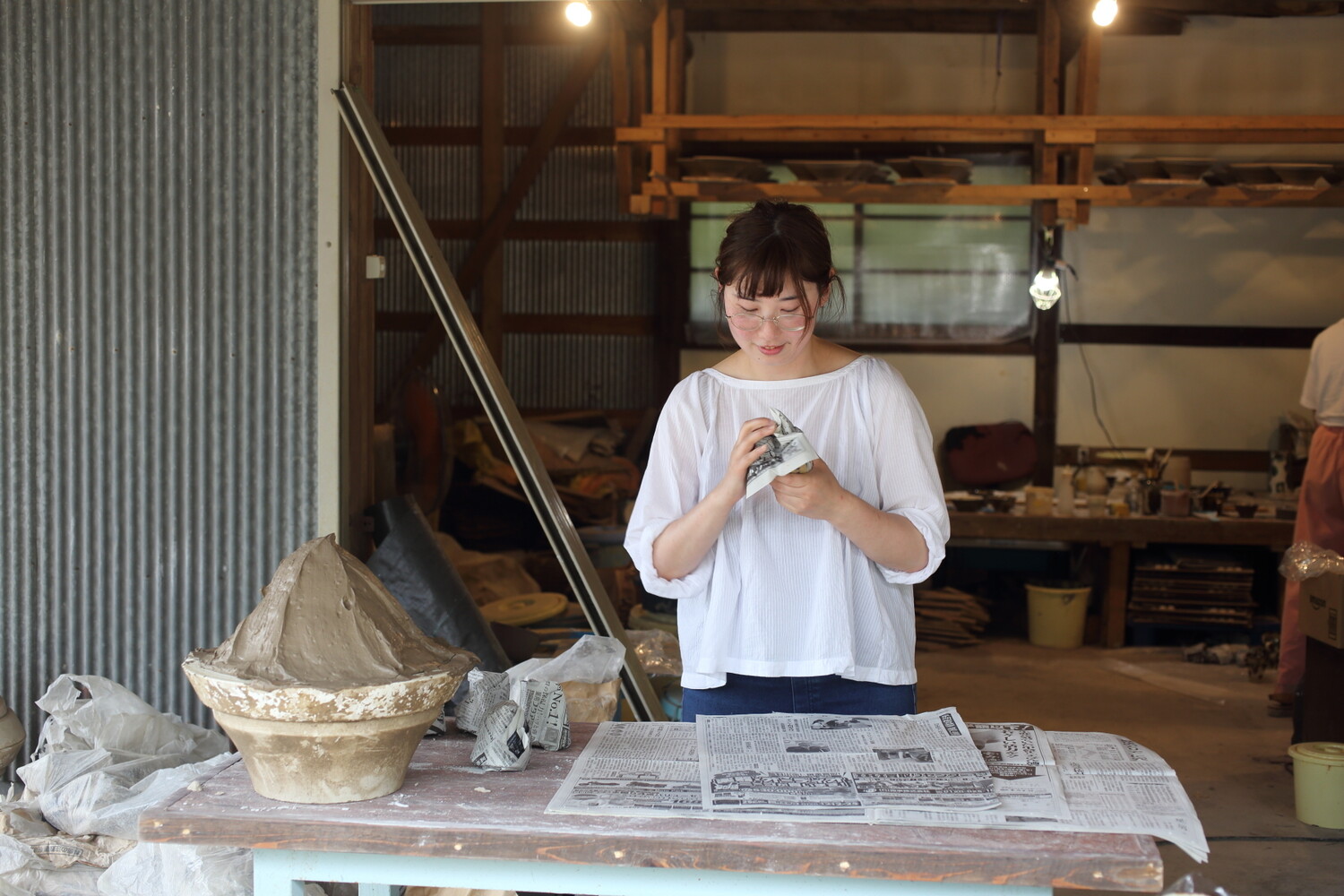
Their love of the work comes through in conversation and in the many tests scattered around the studio, exploring how glazes behave on Mashiko clay, so different from Okinawa’s. They consider what works and what needs improvement, then carry those lessons into the next piece. When visiting makers, we ask about their concerns—forms, glazes, attitudes to work—so that we can share them with customers; most do not readily speak about themselves. Though young, both Kimas have a remarkably well-grounded approach to making, and a wholesome outlook as people.
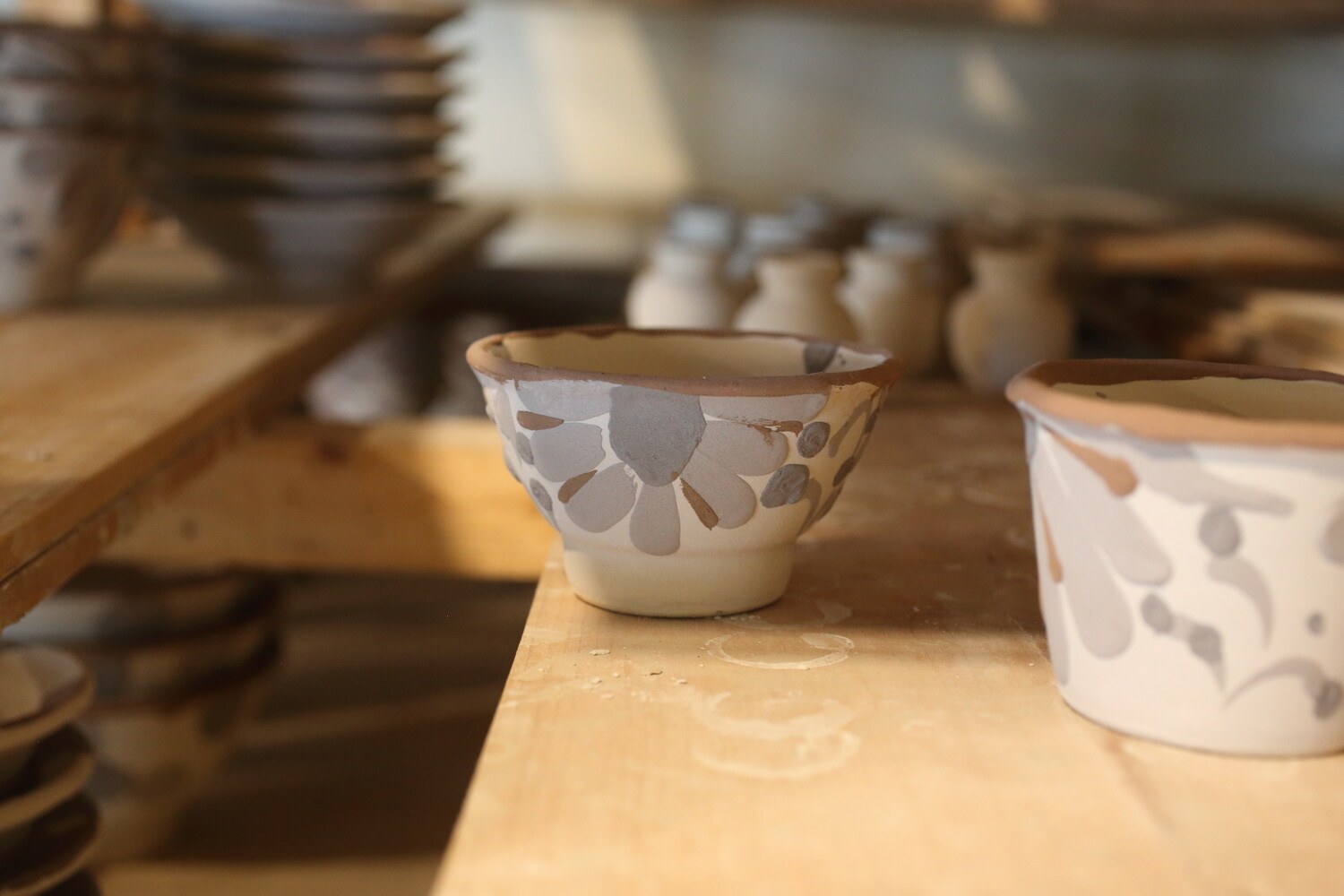
Their pottery conveys an attitude of accepting reality without needlessly resisting the present or the past, while steadily and firmly moving towards their goals. These are not attention-seeking pieces, but wholesome vessels you find yourself using every day. We hope you will hold them and feel their stable, calm forms.
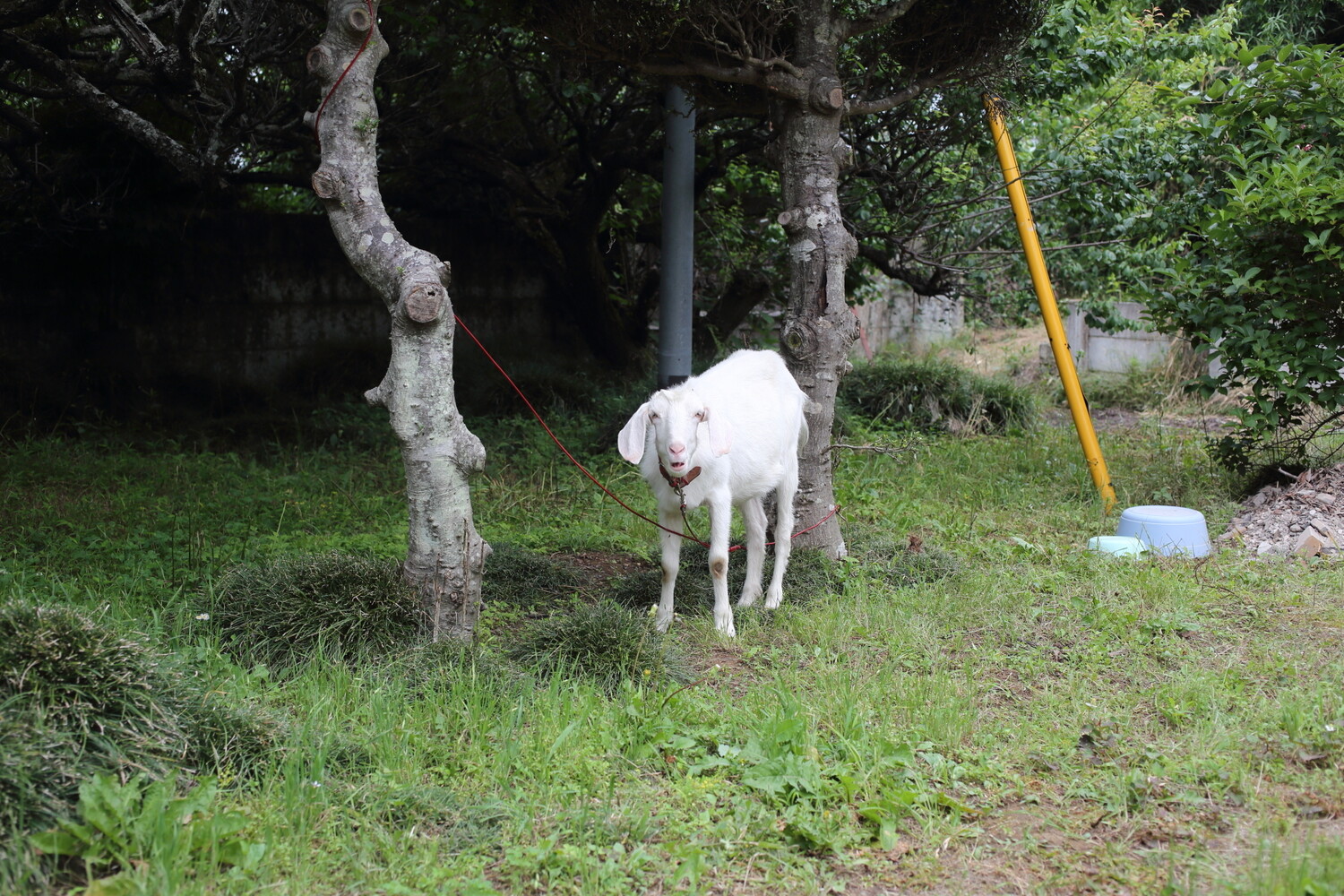
In front of the workshop, their goat Goku was leisurely grazing. They hope to keep chickens and other animals too, bringing work and life together. In the mingei sense, work is life: that is what we feel from the Kimas. We hope you will follow not only what they make now, but the pottery they will create in the years ahead.
Items
Terms & Conditions
Newsletter
Sign up for our newsletter:
Biography