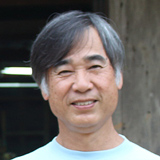
MATSUDA YONESHI
Born and raised in Okinawa, Yoneshi Matsuda may be familiar to some through his appearance in the 2016 film Ametsuchi no Hibi. He continues exploring Okinawan pottery, its roots in traditions elsewhere in Japan and overseas, and the island’s historical background.
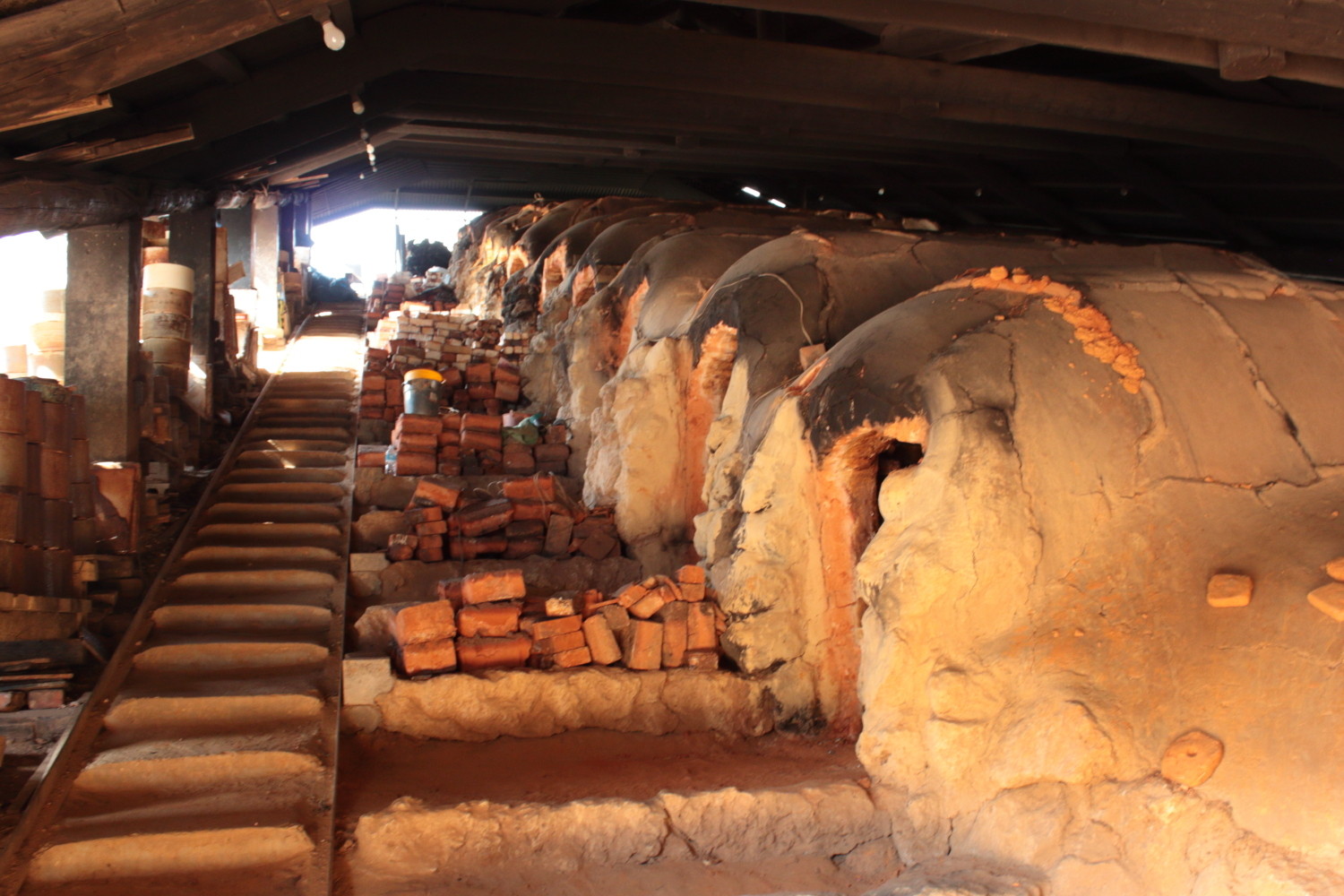
Although yachimun is widely known to mean Okinawan pottery, its distinctive forms, clays and glazes, shaped by local culture and customs, may be less familiar. Yoneshi works to share this tradition alongside his younger brother Kyoshi Matsuda, Masataka Miyagi and Masamori Yonahara. Together they established the thirteen-chamber climbing kiln of Yomitanzan-yaki Kitagama in 1990. Under these four masters, young potters from across Japan learn Okinawan pottery and make it every day.
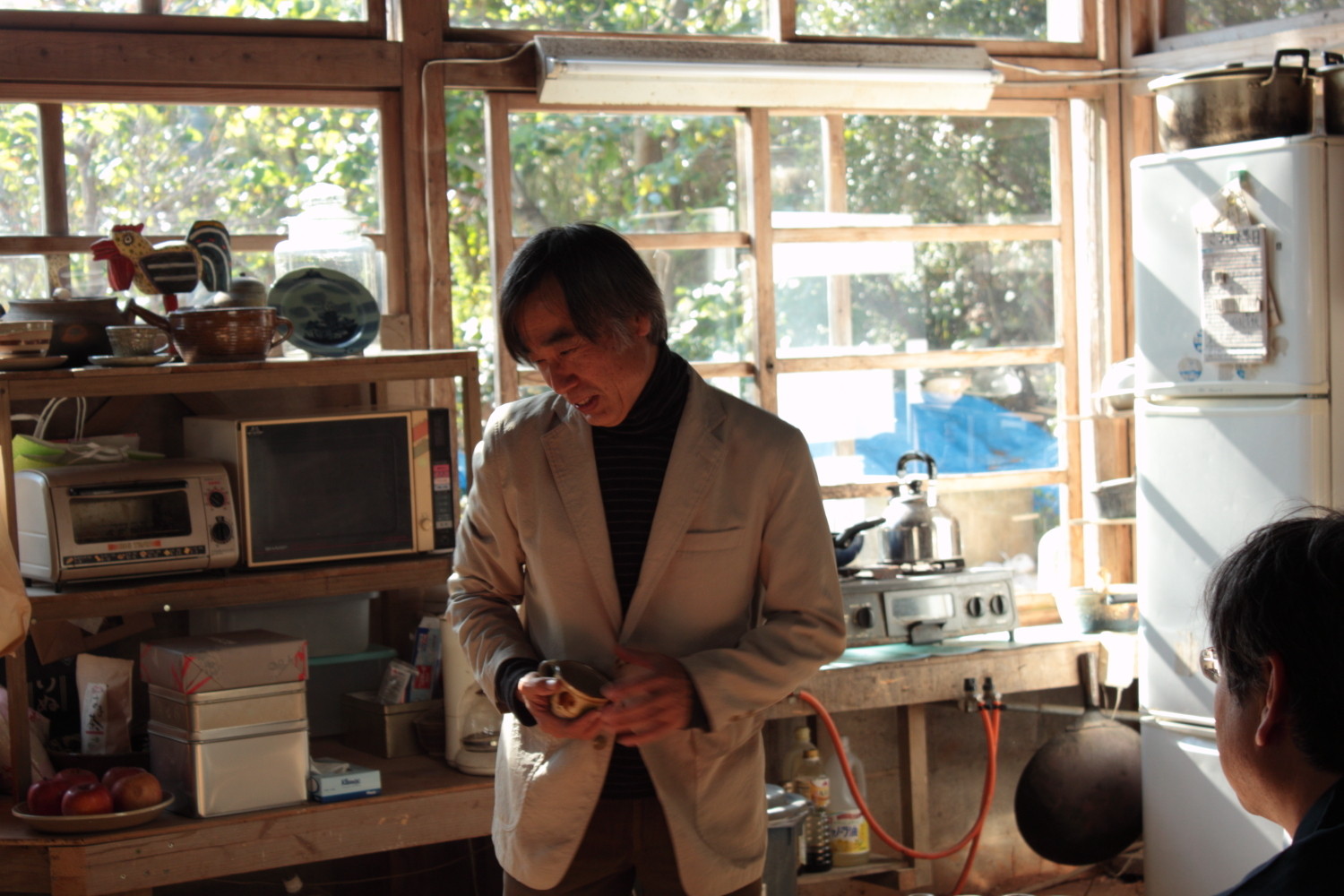
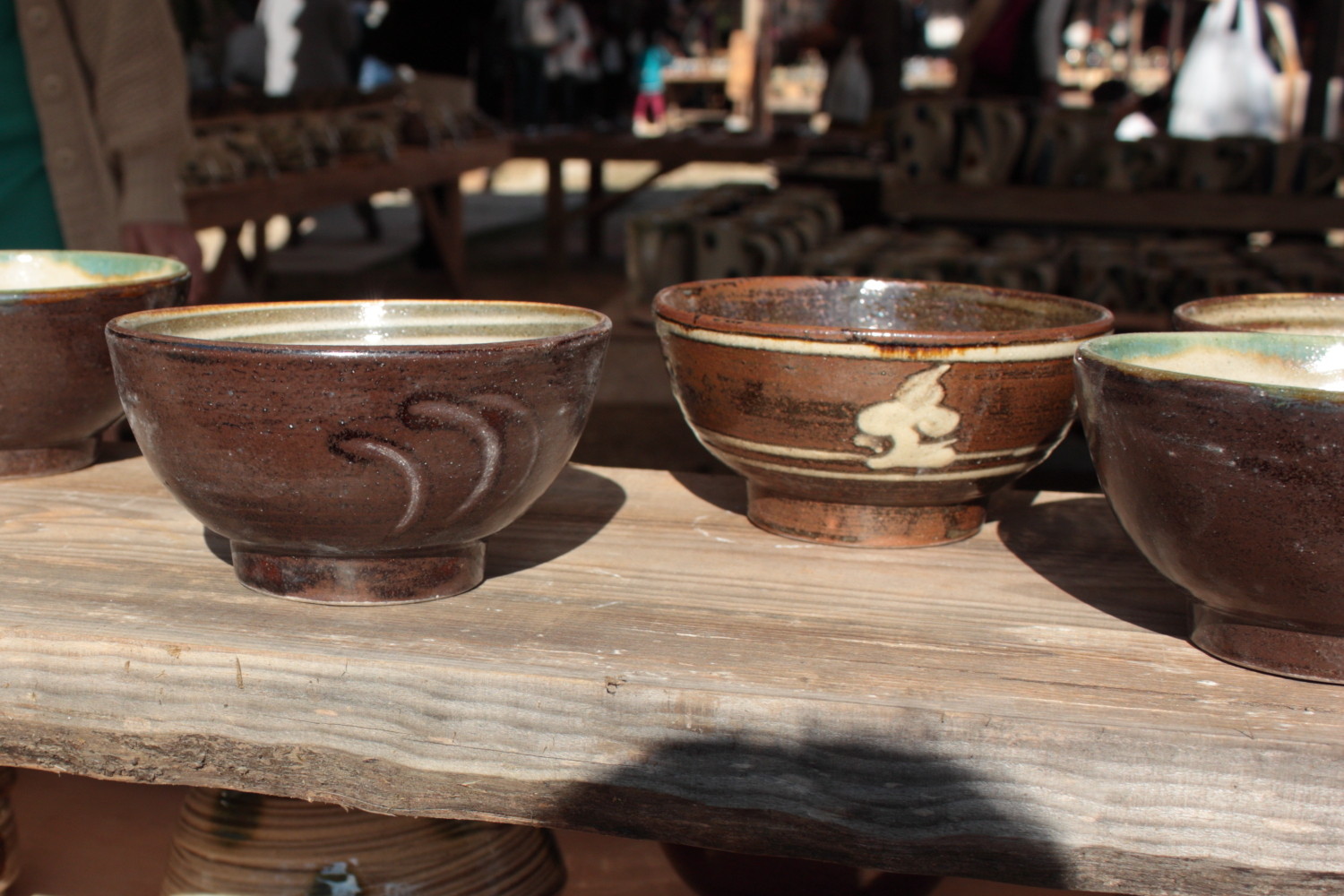
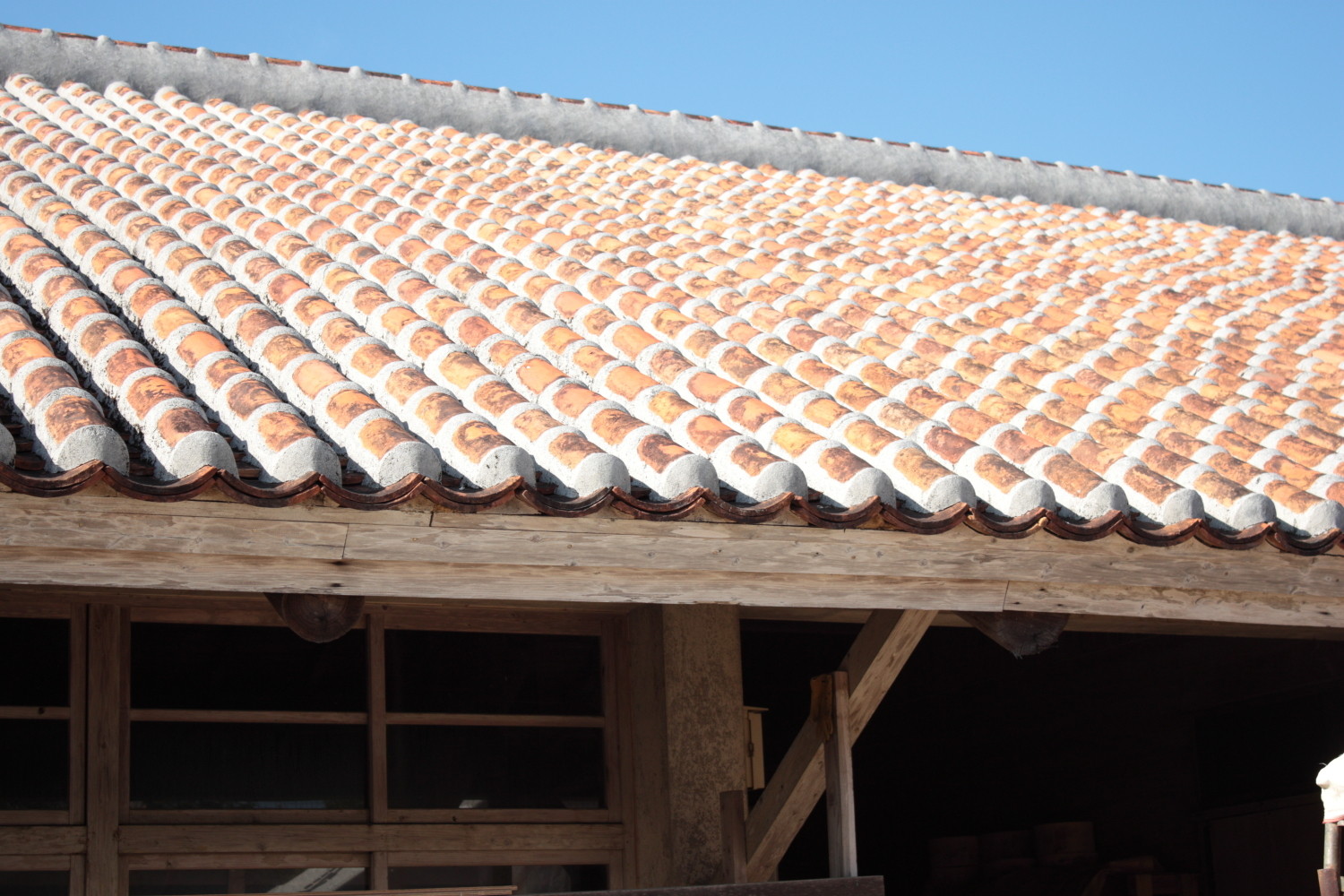
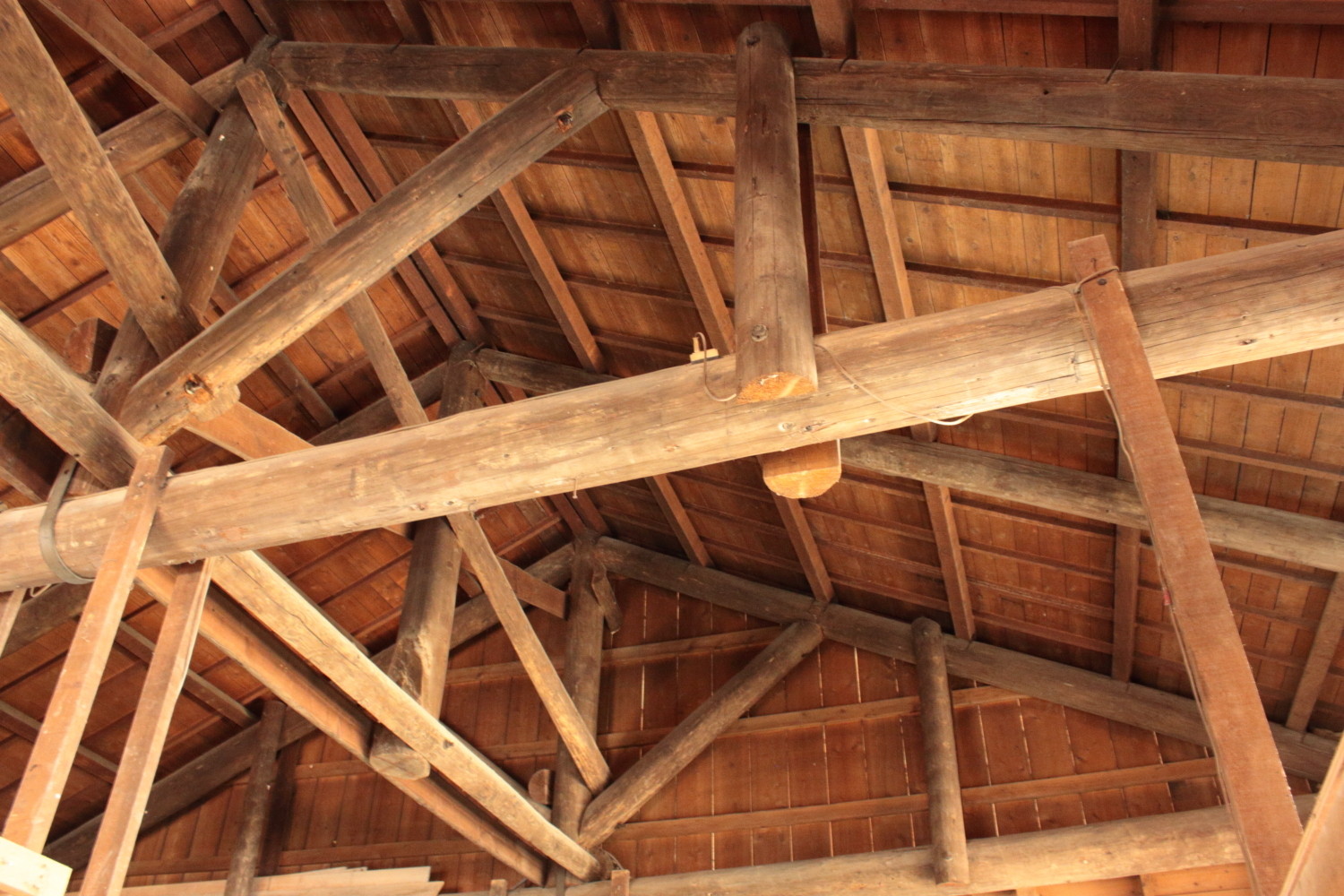
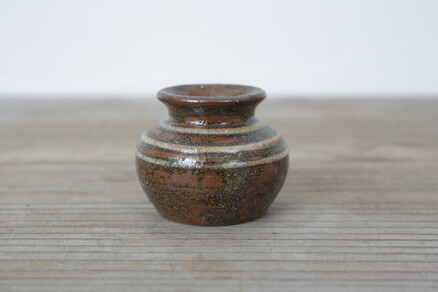
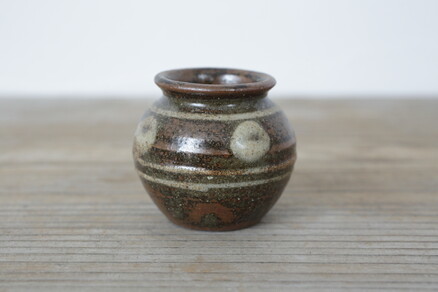
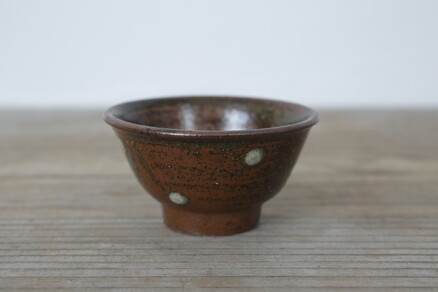
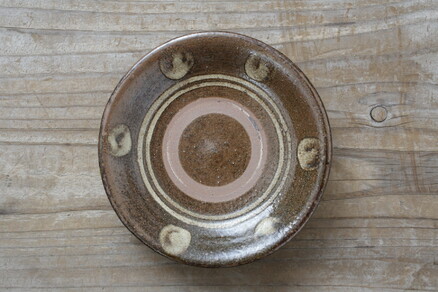
Yoneshi is both a master and a fatherly presence, watching over and nurturing his apprentices. His workspace is beside the hearth at the back, overlooking their work, including that of his son. Kitagama shares a kiln, but each workshop’s pottery is quite different, reflecting its own ideas and character. At Yoneshi’s workshop, the forms are particularly beautiful as Okinawan yachimun. You sense the master’s detailed instruction and a shared understanding of his approach, as well as his apprentices’ deep respect. Quiet colours suited to the dining table, never showy, are another hallmark. Roles are divided according to each apprentice’s experience, and work continues quietly as the Okinawan breeze passes through. In this earth-floored workshop, water soaks into the ground; clay becomes vessels on the wheel, dries in sunlight and wind, and moves on to the next stage. Here we are reminded that nature’s gifts are shaped by human hands, then entrusted once more to forces beyond our control in the climbing kiln.
Photo gallery
Items
Terms & Conditions
Newsletter
Sign up for our newsletter:
Biography