DAISEI
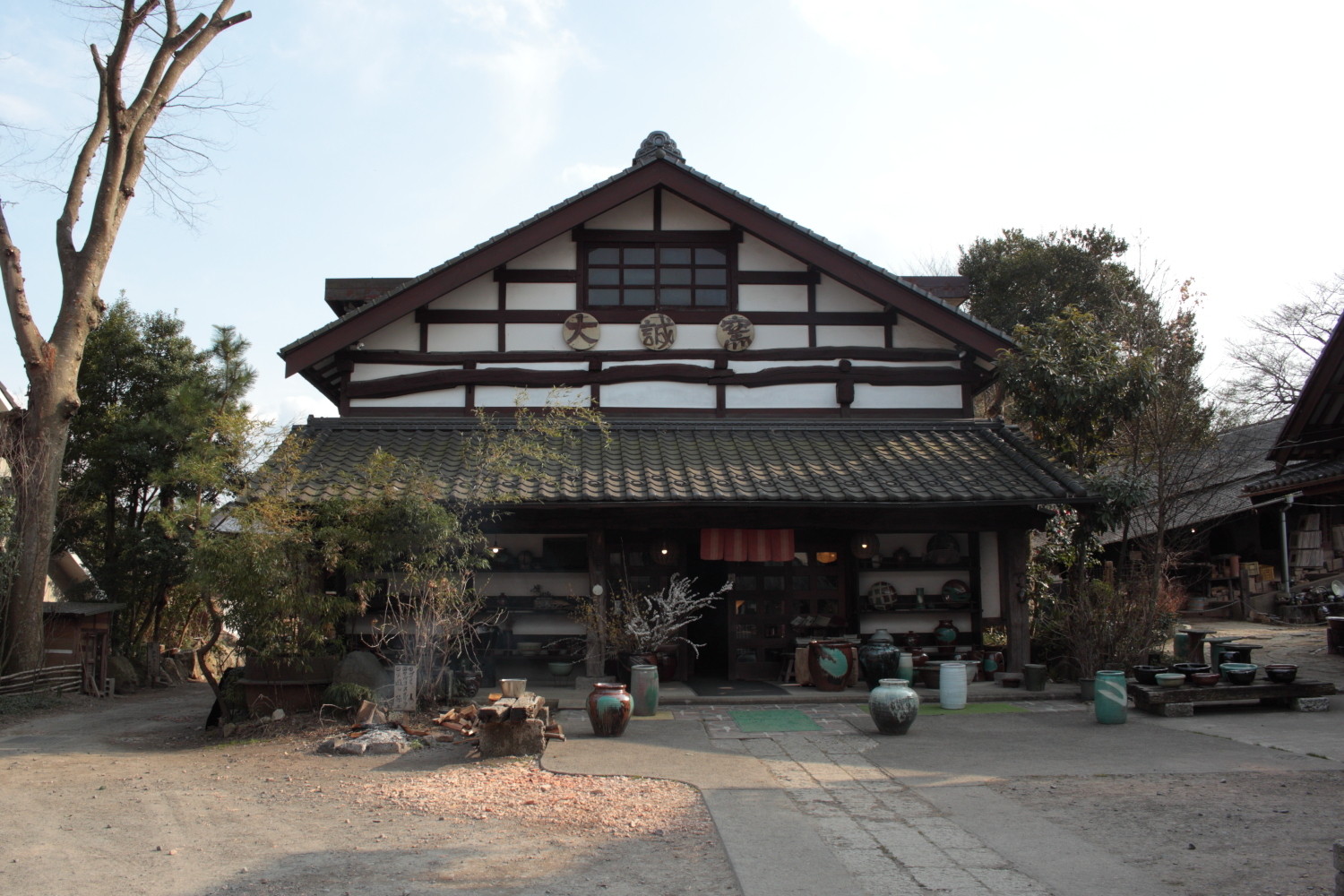
Founded in 1861, Daisei Kiln continues the traditional pottery of Mashiko. Sixth-generation Kuninori Otsuka and seventh-generation Seiichi Otsuka work alongside the kiln’s craftspeople.
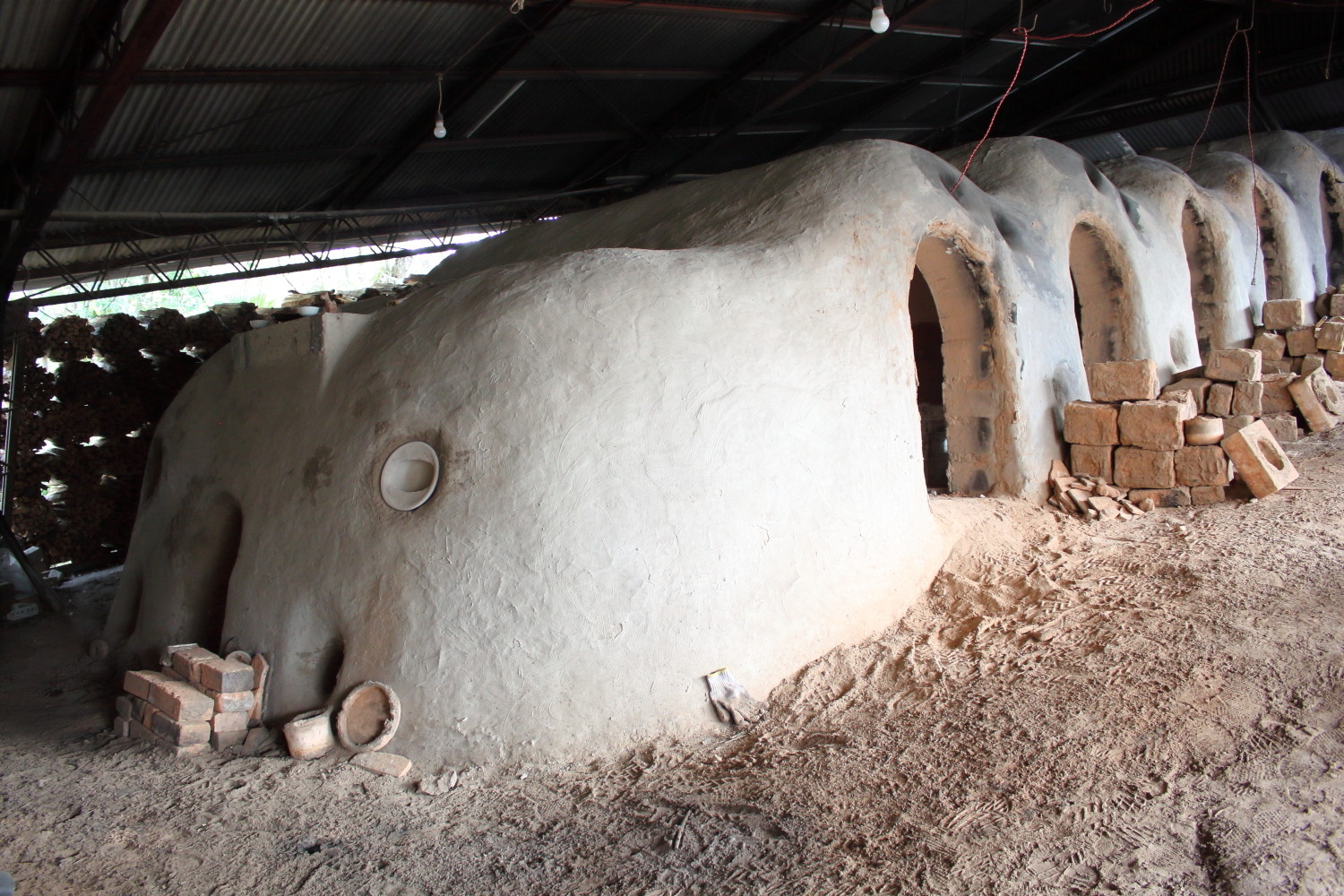
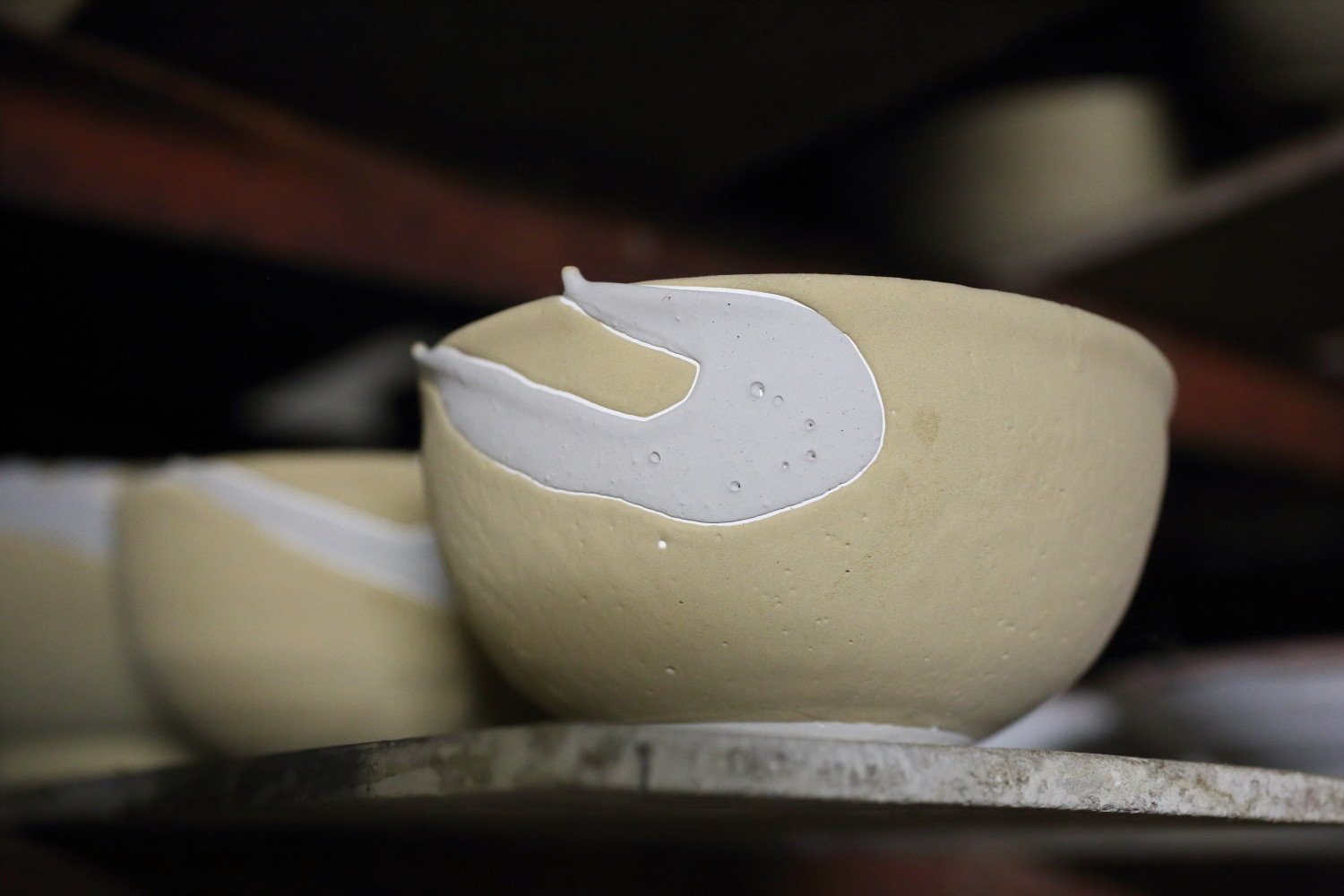
Together with Hamada Kiln, Daisei is one of Mashiko’s representative potteries. It has used a climbing kiln since its foundation, and its kiln is the largest among Mashiko’s many workshops. Repeated firings damage a kiln, so regular repairs are essential. Well maintained, Daisei’s kiln is nevertheless a simple structure of brick and earth, like climbing kilns elsewhere. Local clay is shaped by experienced potters, then transformed by fire into finished vessels. Glazes made by sifting rice-husk and wood ash form a coating that keeps liquids inside and allows repeated use as tableware. Within the kiln, reduction and oxidation change the glaze colours while the fire strengthens the pottery. Looking at a finished piece in a shop, it is difficult to imagine all these processes. A workshop visit reminds us that each vessel is made through methods inherited from ancient times, drawing on nature’s gifts and human knowledge and skill.
Seventh-generation Seiichi Otsuka respects and ceaselessly explores this traditional way of making, simple yet almost mysterious in its reliance on nature. He knows old ceramics and antiques deeply, and his collection seems only to grow. Strength and an elusive playfulness run through the objects he collects, not just pottery, much as they do through his own character.
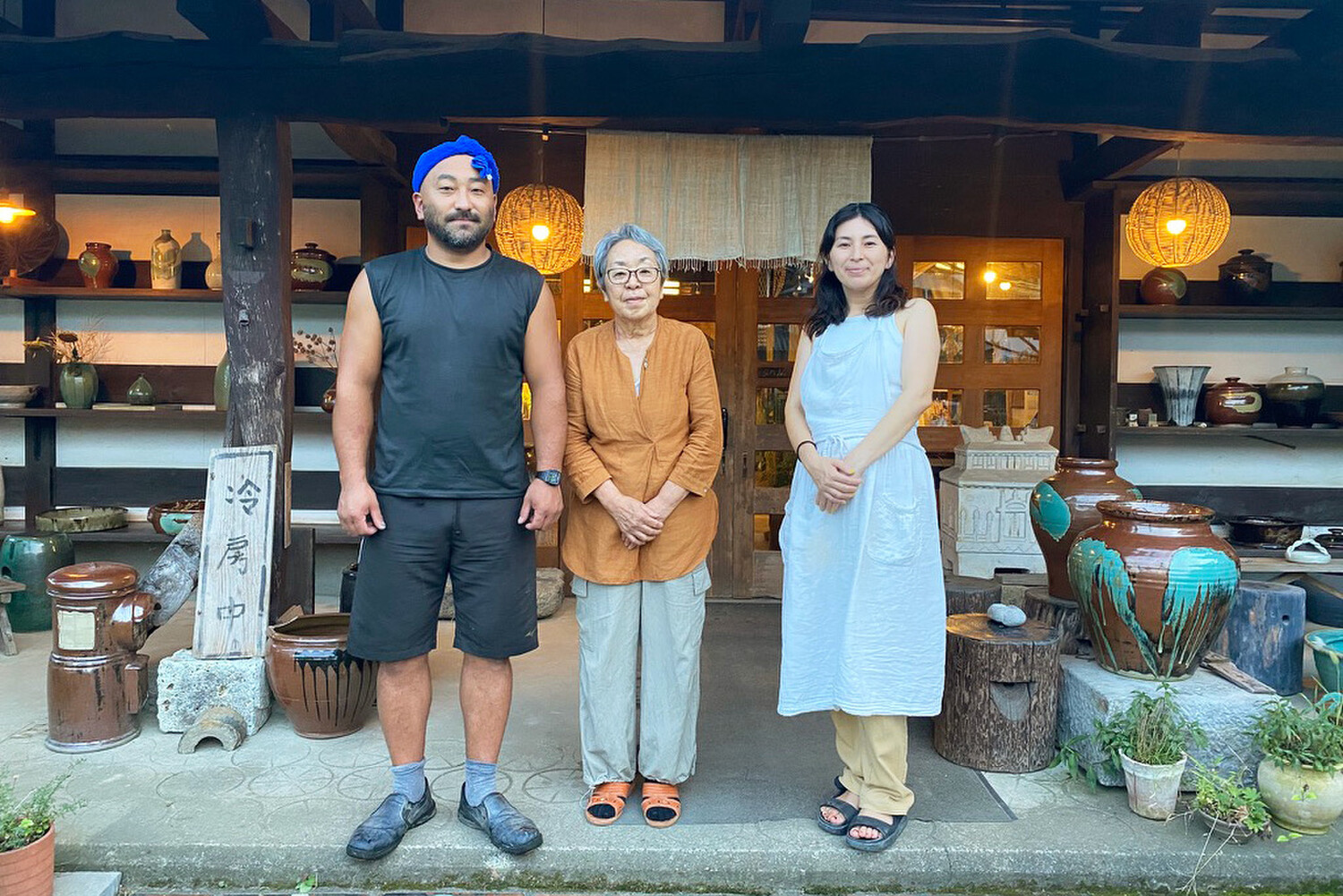
Alongside his role in carrying on Mashiko’s long tradition is an overflowing curiosity. We had thought this an intriguing kiln; in fact, sixth-generation Kuninori, his wife and Seiichi’s wife are all wonderfully individual too. Everyone is energetic, talkative and full of life. The family talks constantly; parents and children meet as equals and support one another, with work and life flowing together. Whether this ease comes from respecting one another or simply giving one another space, it is a delight to watch. Once, in the fading evening light, we saw Kuninori at the wheel with a grandchild on his back. Whoever can do something does it. It seems a very good way to live and work together.
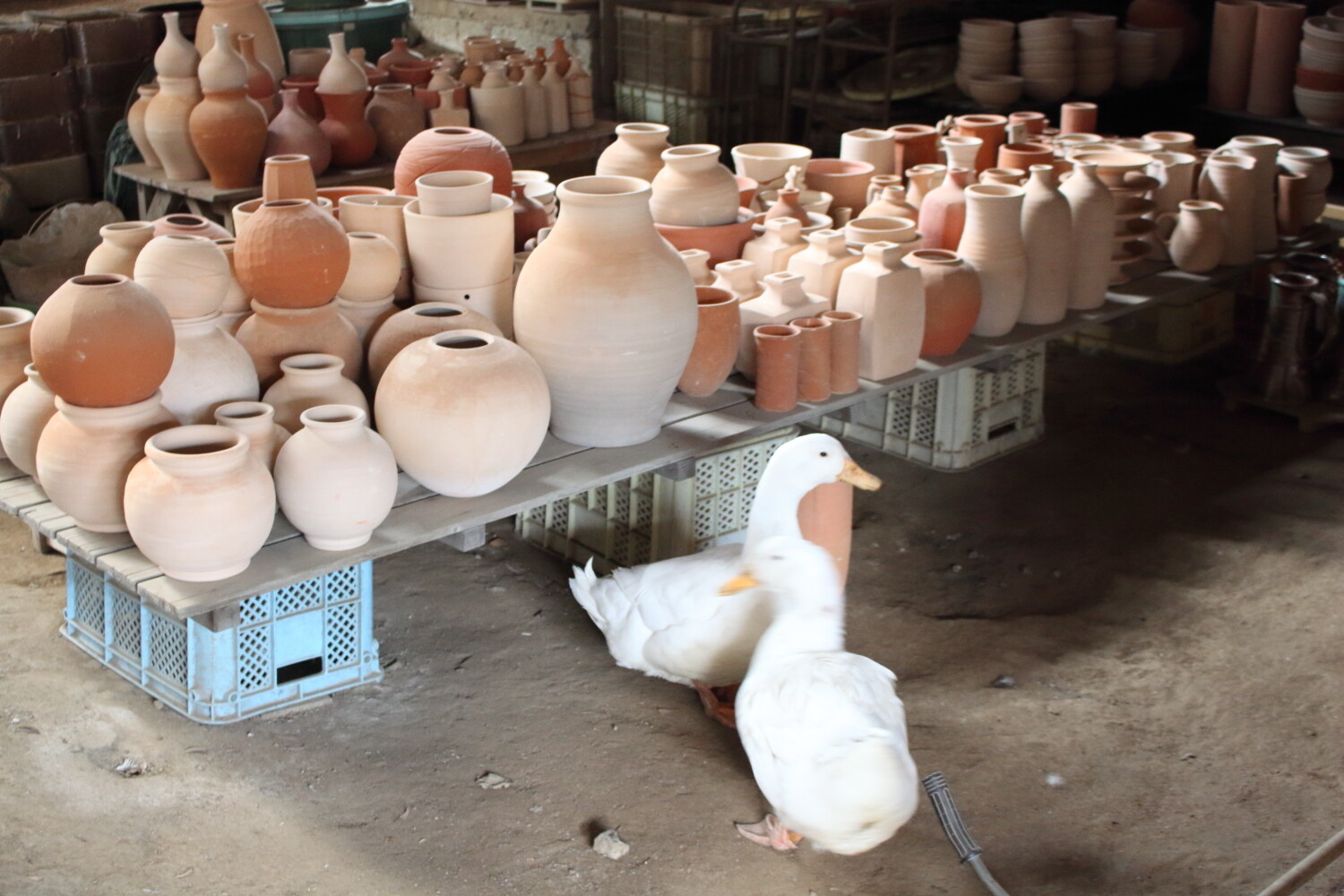
Kuninori and his wife have three children, all of whom they sent abroad to study. Seiichi studied in America, and something in his manner and perspective reflects that experience: he sees things from an interesting outside angle. Born the heir to a historic Mashiko kiln and raised close to traditional craft, he returned from America and trained for four years under Masaaki Shibata in Tamba-Sasayama before joining Daisei. Watching him happily handle clay, remarking on how interesting it is, stroking the ducks around the kiln and the young goats behind it, and treating his children with a similarly easy affection, we sense that daily life, nature, work and family all occupy the same ground. It makes us eager to see what he will make next.
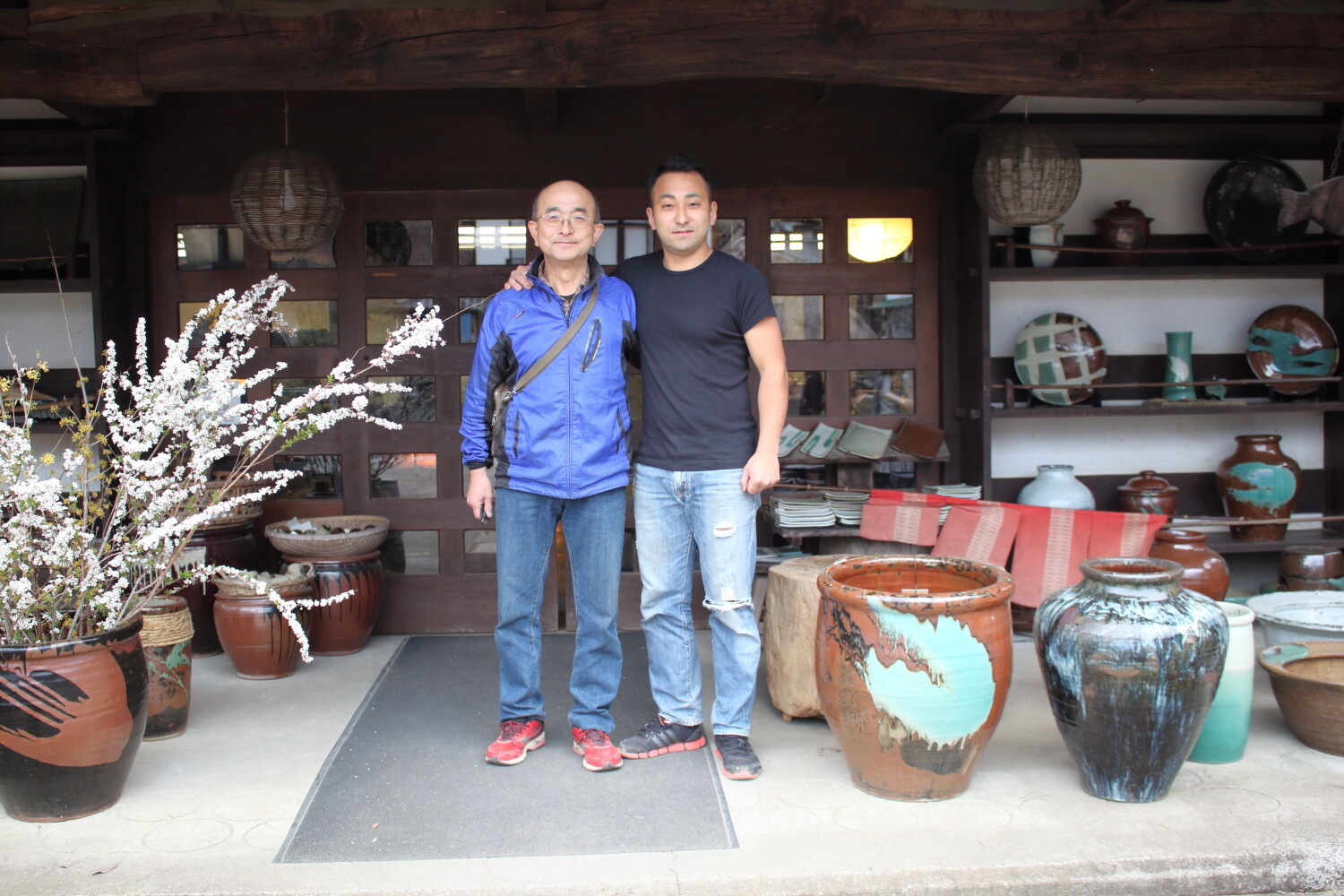
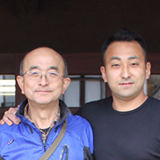
Sixth-generation Kuninori Otsuka is on the left; seventh-generation Seiichi Otsuka is on the right. Wonderful, aren’t they? If you visit Mashiko, why not stop by Daisei Kiln?
Photo gallery


Terms & Conditions
Newsletter
Sign up for our newsletter:
Biography
Founded in Mashiko, Haga District, Tochigi, in 1861.
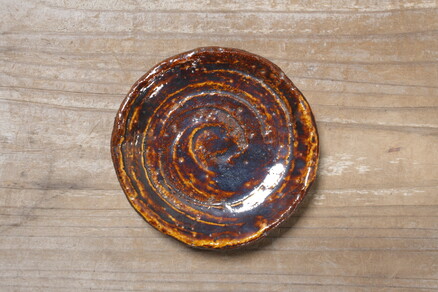
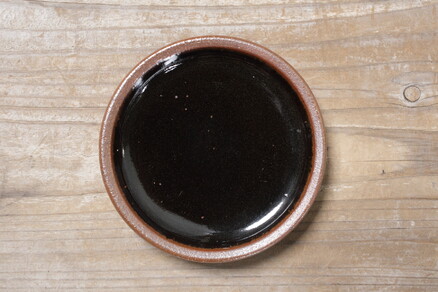
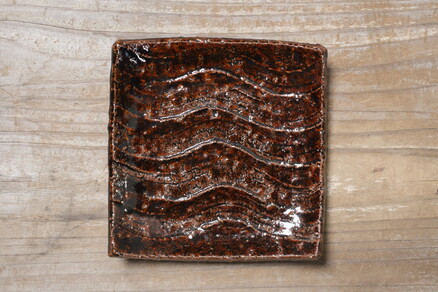
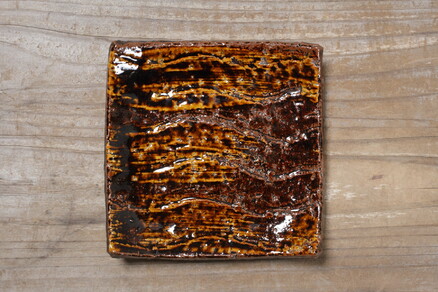
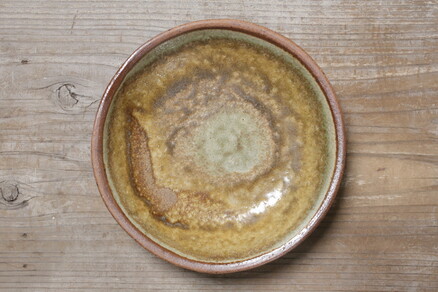
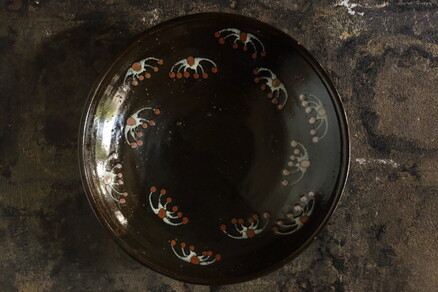
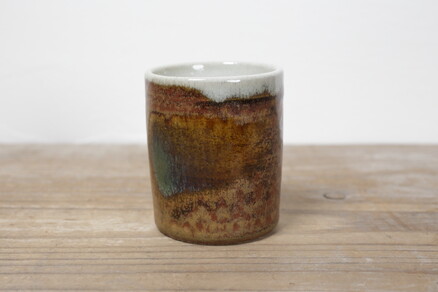
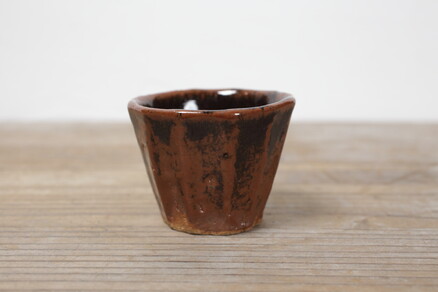
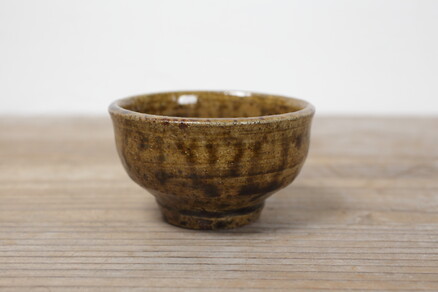
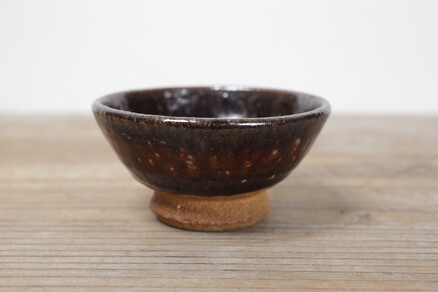
Uses the largest climbing kiln currently operating in Mashiko, with traditional glazes including kaki, rice-husk white, black, amber and rice-husk celadon.
The kiln is carried on by sixth-generation Kuninori Otsuka and his son, seventh-generation Seiichi Otsuka.
After studying under Masaaki Shibata in Tamba-Sasayama, Seiichi returned to Mashiko. Alongside the family kiln’s work, he prepares local clay and glazes himself using traditional methods, creating powerful pottery whose forms and glazes have a character of their own and a close connection to nature.