MORIYAMA ROKURO
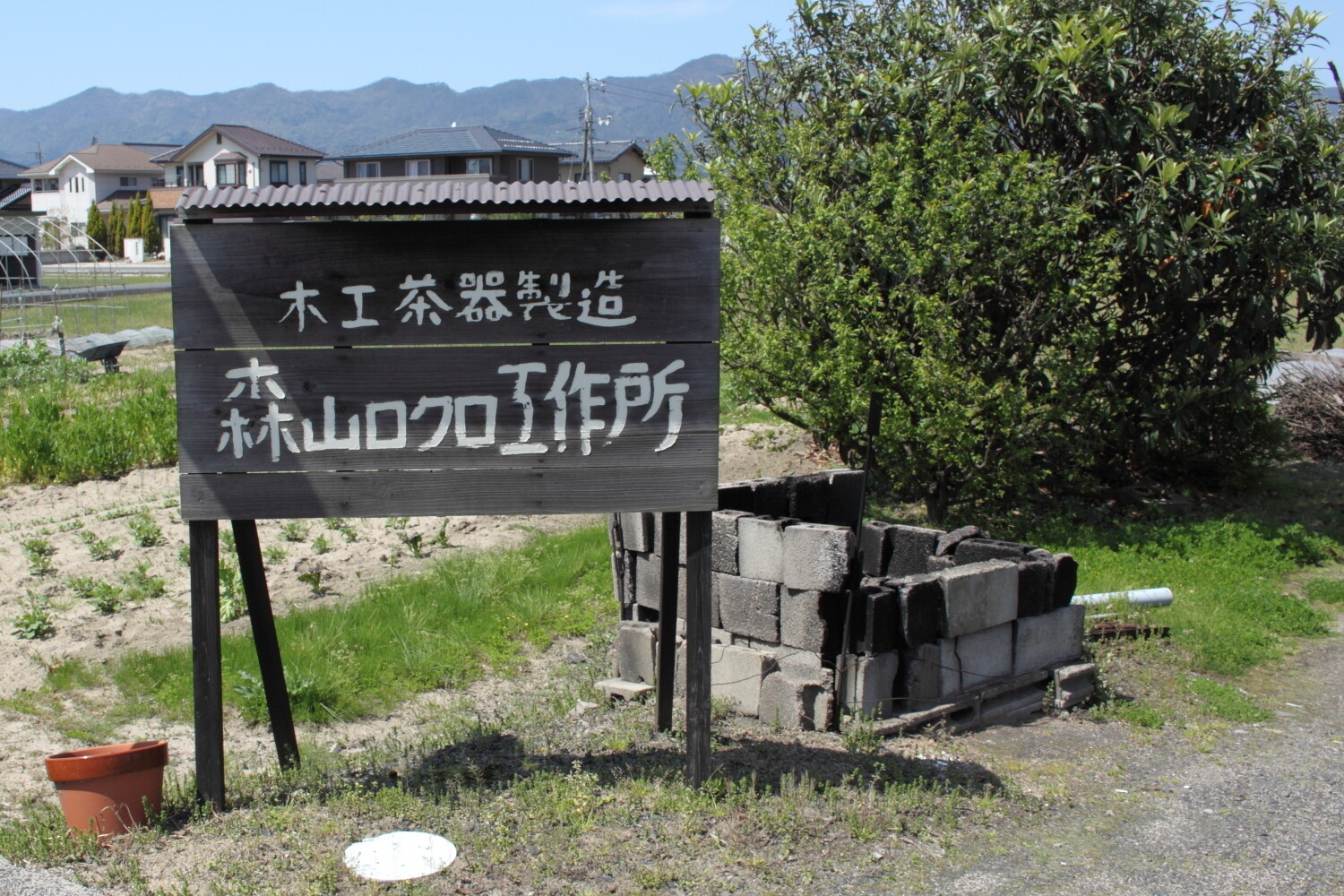
We first saw Moriyama Woodturning Workshop’s work at Moriyama Kiln in Yunotsu, Shimane. Every visit brought thoughtful hospitality from Mrs Moriyama: tea, fruit, or homemade sorbet and dumplings in season. Beneath a teacup we noticed a wonderfully substantial wooden saucer, bought years earlier from the workshop in Izumo. As our shop’s selection of cups and teapots grew, we had been looking for simple wooden saucers and objects that would suit pottery rather than ordinary coasters, so we contacted them immediately. Moriyama Kiln’s unassuming pottery is one of our guides in selecting objects; woodwork that belonged beside it seemed certain to be right.
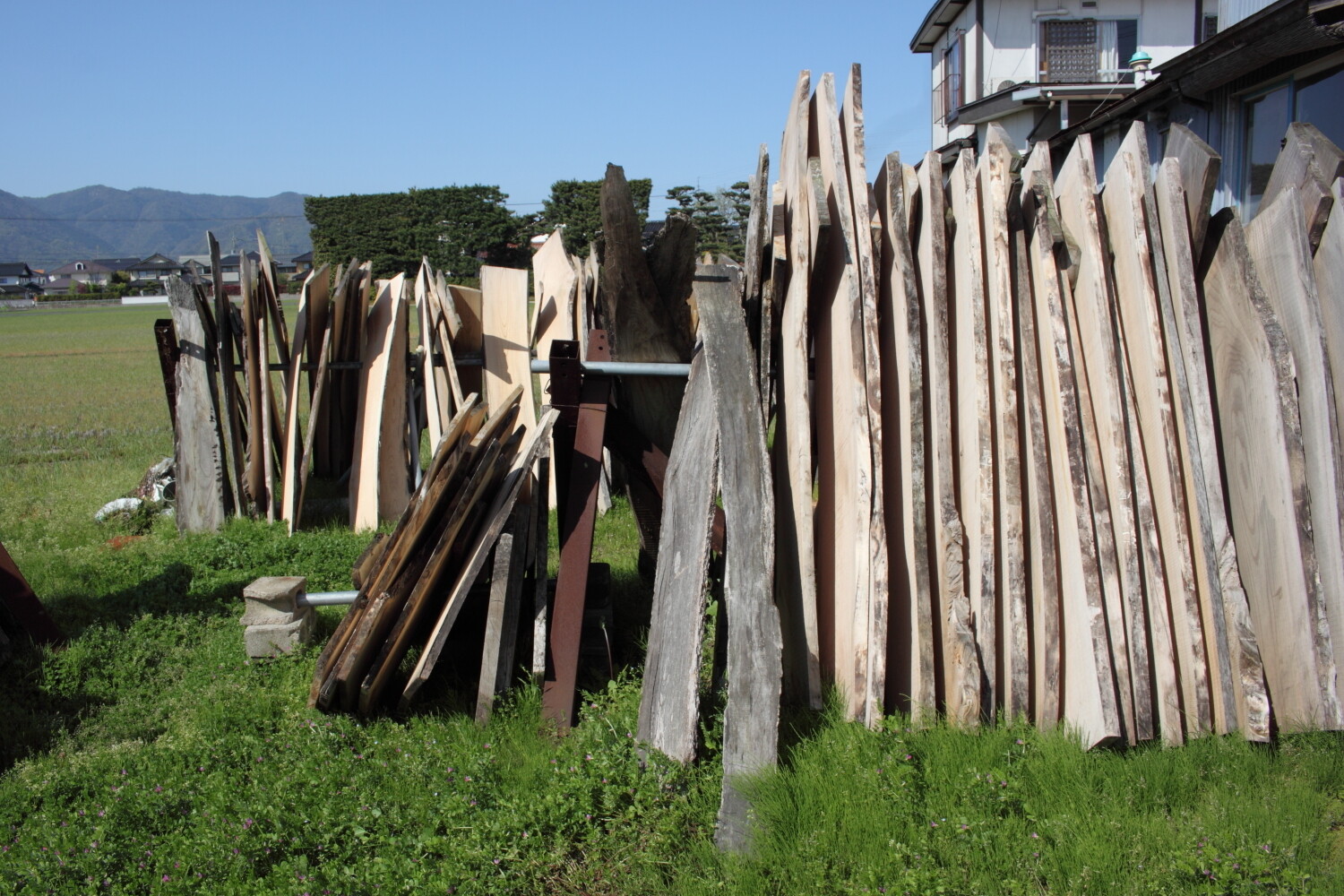
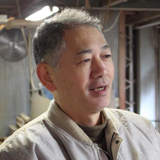
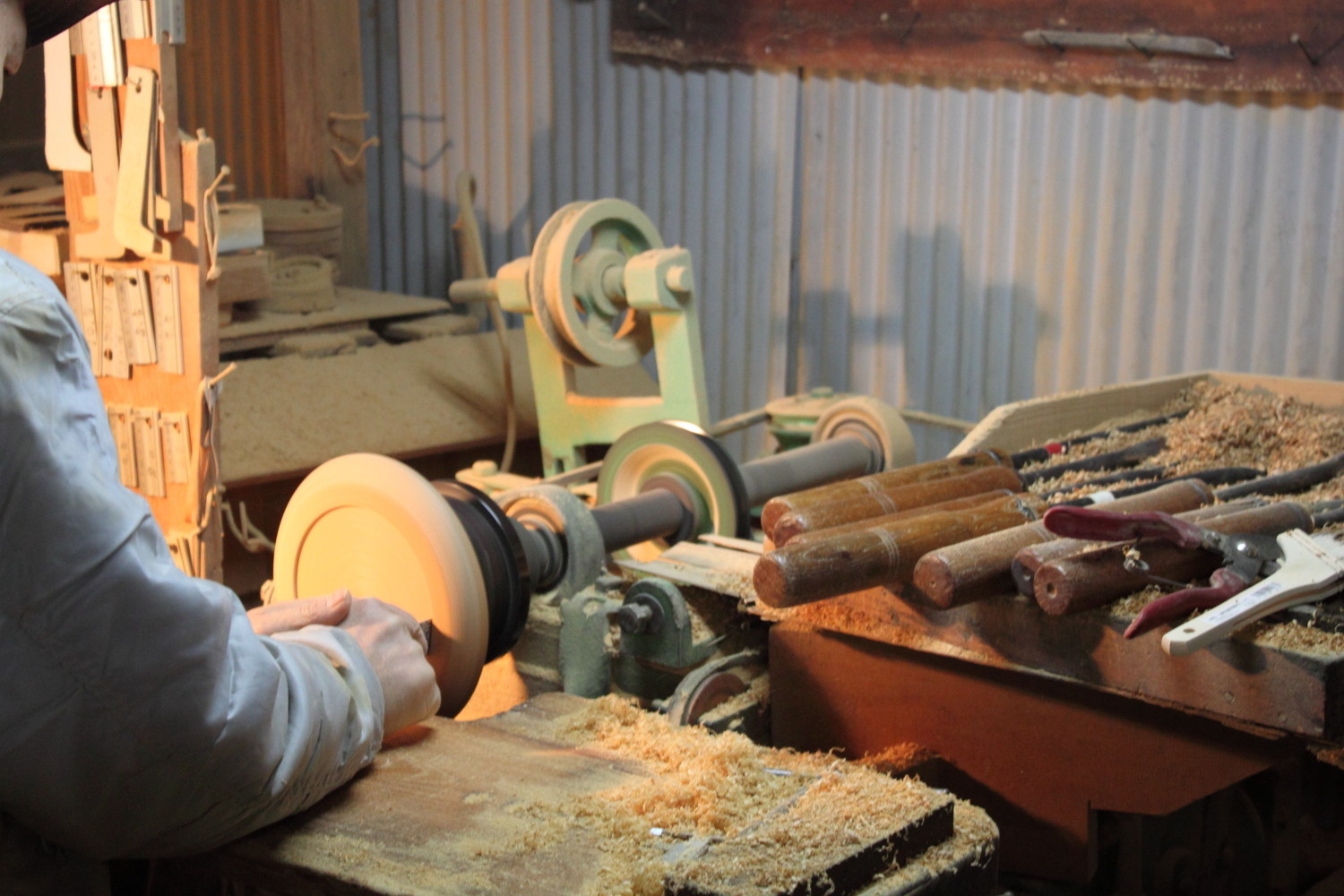
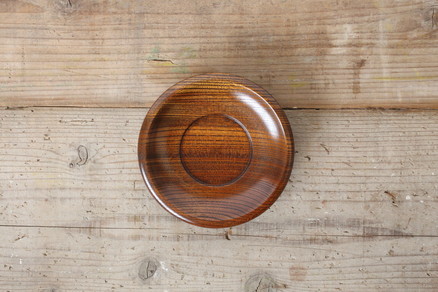
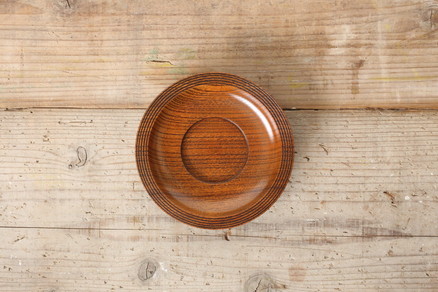
Second-generation Noboru Moriyama and his wife welcomed us. Sadly, the saucer we had seen was no longer made. As we talked, they served tea in tiny cups scarcely larger than sake cups, refilling them after each sip—a local custom from this former castle-town culture that reminded us of Taiwan. Their saucers ranged from unusually small examples suited to that custom to sizes and shapes for many kinds of cup. Trays and other generous wooden objects were plentiful too. They use old trees from Shimane’s mountains. Zelkova, long valued in Japan for its strength and beautiful grain, develops a fine lustre through use and polishing.
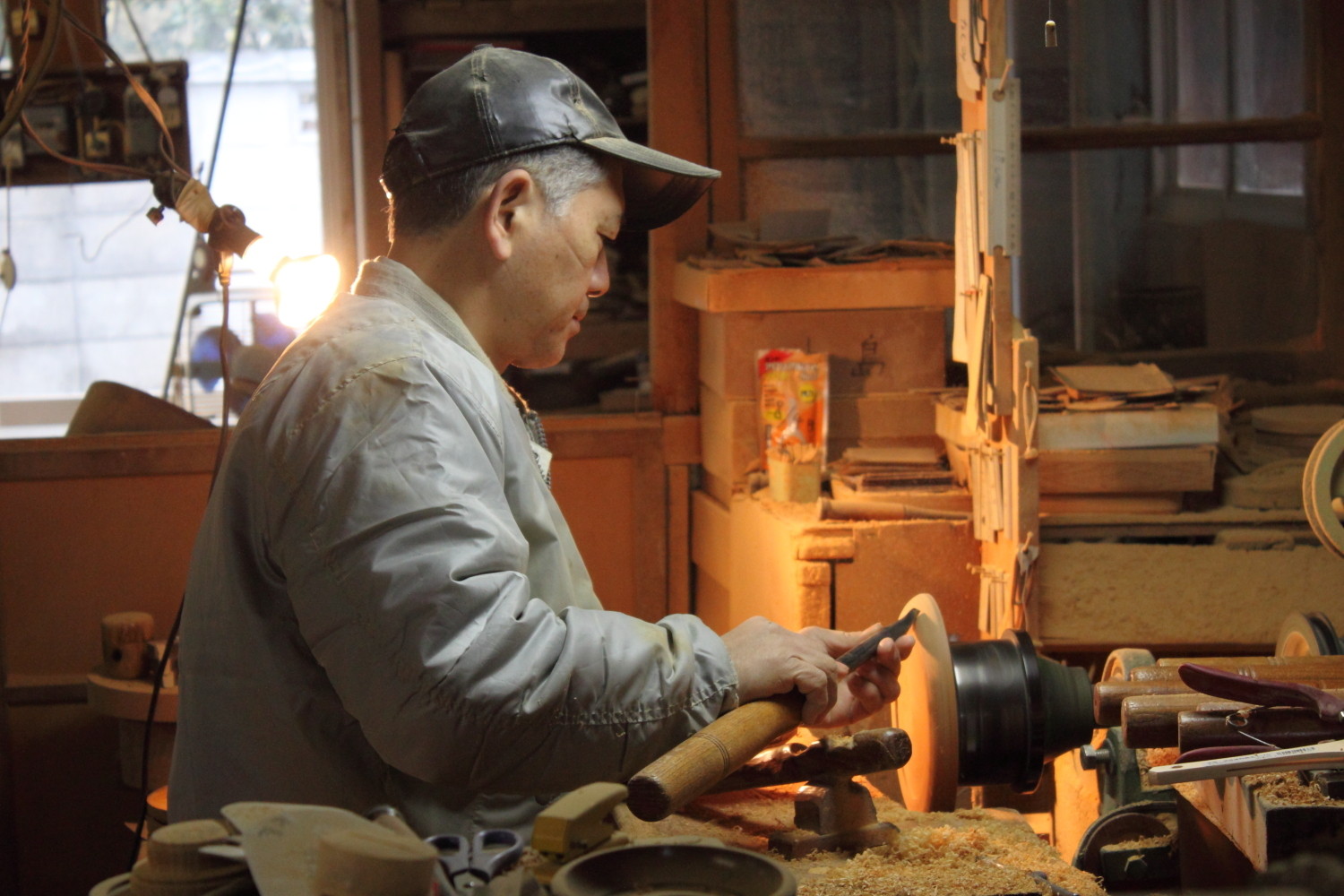
Zelkova is seasoned from the log, then shaped into suitable objects according to its grain and finished with rubbed-in natural raw lacquer. Traditional divisions of labour are increasingly difficult as woodworkers and lacquerers retire. Moriyama originally specialised in wooden bodies, but as lacquerers closed their businesses, the workshop began applying wiped lacquer too. It therefore does not offer opaque red or black lacquer finishes, instead making many carefully shaped objects whose grain is brought out by wiped lacquer. Forms, thicknesses and carving never call undue attention to themselves. These trays and vessels are supporting players, bringing an agreeable generosity rather than an emphatic design statement.
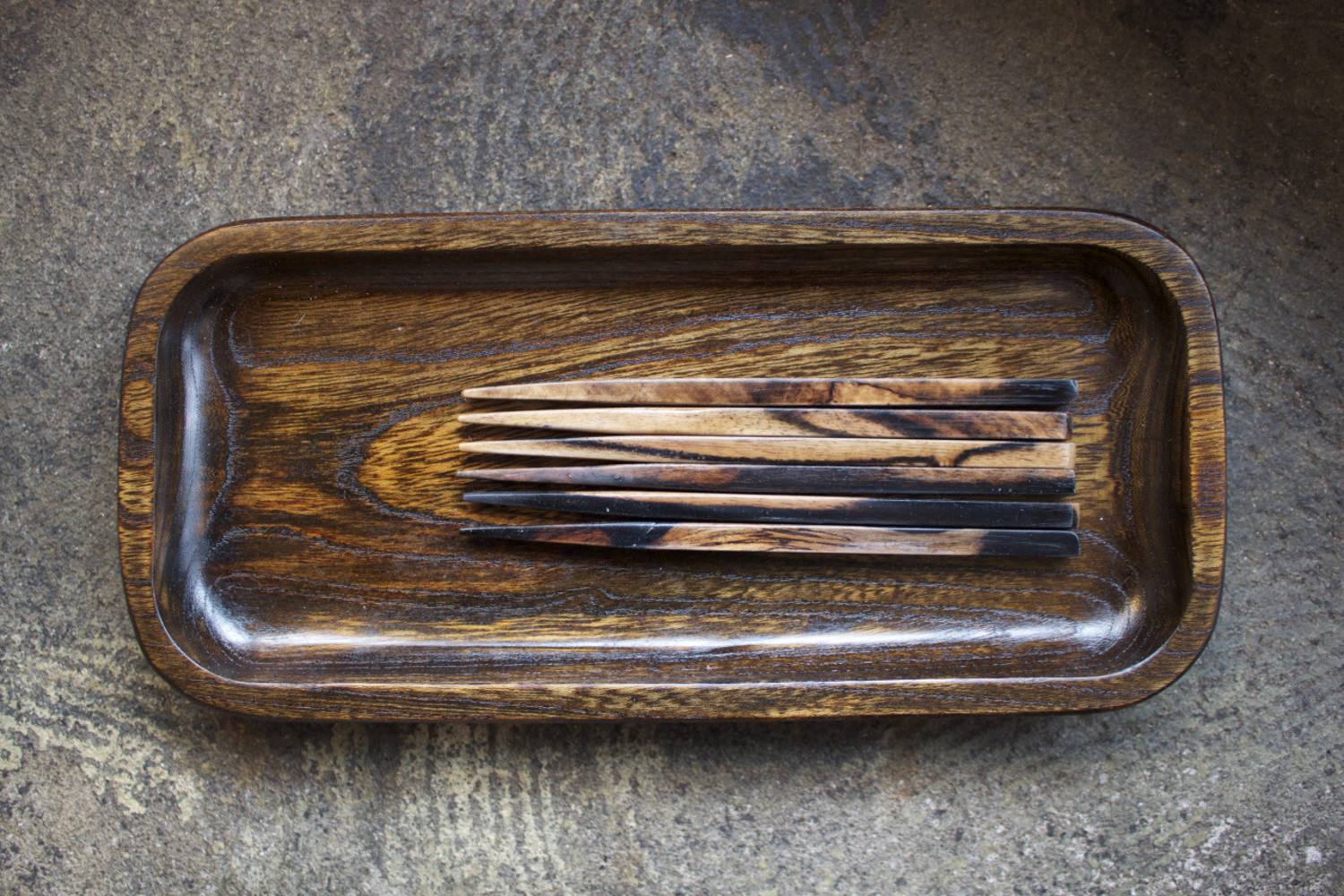
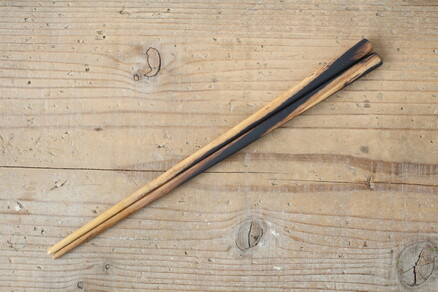
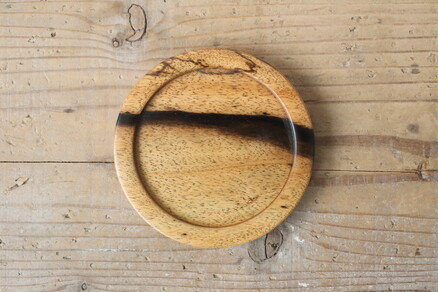
Alongside zelkova, the workshop often uses black persimmon wood. In some persimmon trees, sweet or astringent, centuries of growth produce dark markings like ink painting; remarkably, not every old tree develops them. Volcanic soil and snowy winters are said to favour this wood, found relatively often in Tohoku, Shinshu and San’in. It becomes chopsticks, sweet picks, coasters and chopstick rests. But it cracks and warps readily during drying, requiring far more care than zelkova. Even pieces from the same tree show entirely different patterns, so uniformity is impossible. Whatever the pattern, it has strength, dignity and a modern quality suited to contemporary life. Wipe with a dry cloth and enjoy it for many years.
Photo gallery
Items
Terms & Conditions
Newsletter
Sign up for our newsletter:
Biography
Moriyama Woodturning Workshop was founded in 1960.
A representative wood workshop of Izumo, its pieces are used at Shimane mingei kilns such as Shussai and Moriyama.
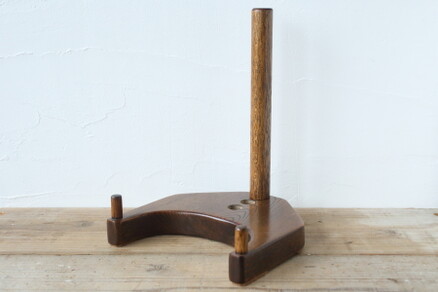
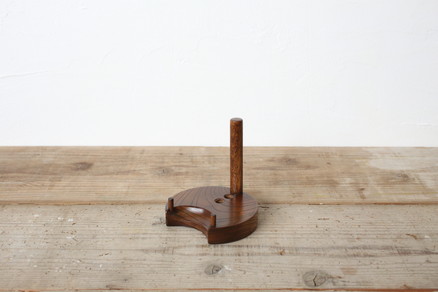
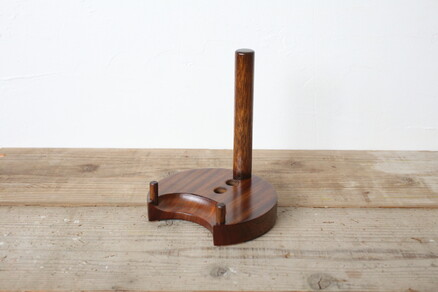
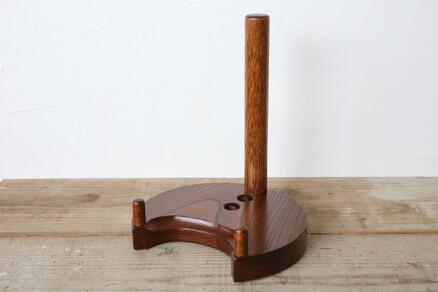
Second-generation Noboru Moriyama and his wife make a wide range of tea saucers, bowls, plate stands and trays, carrying out everything from shaping the wood to wiped-lacquer finishing.