
SETOHONGYO
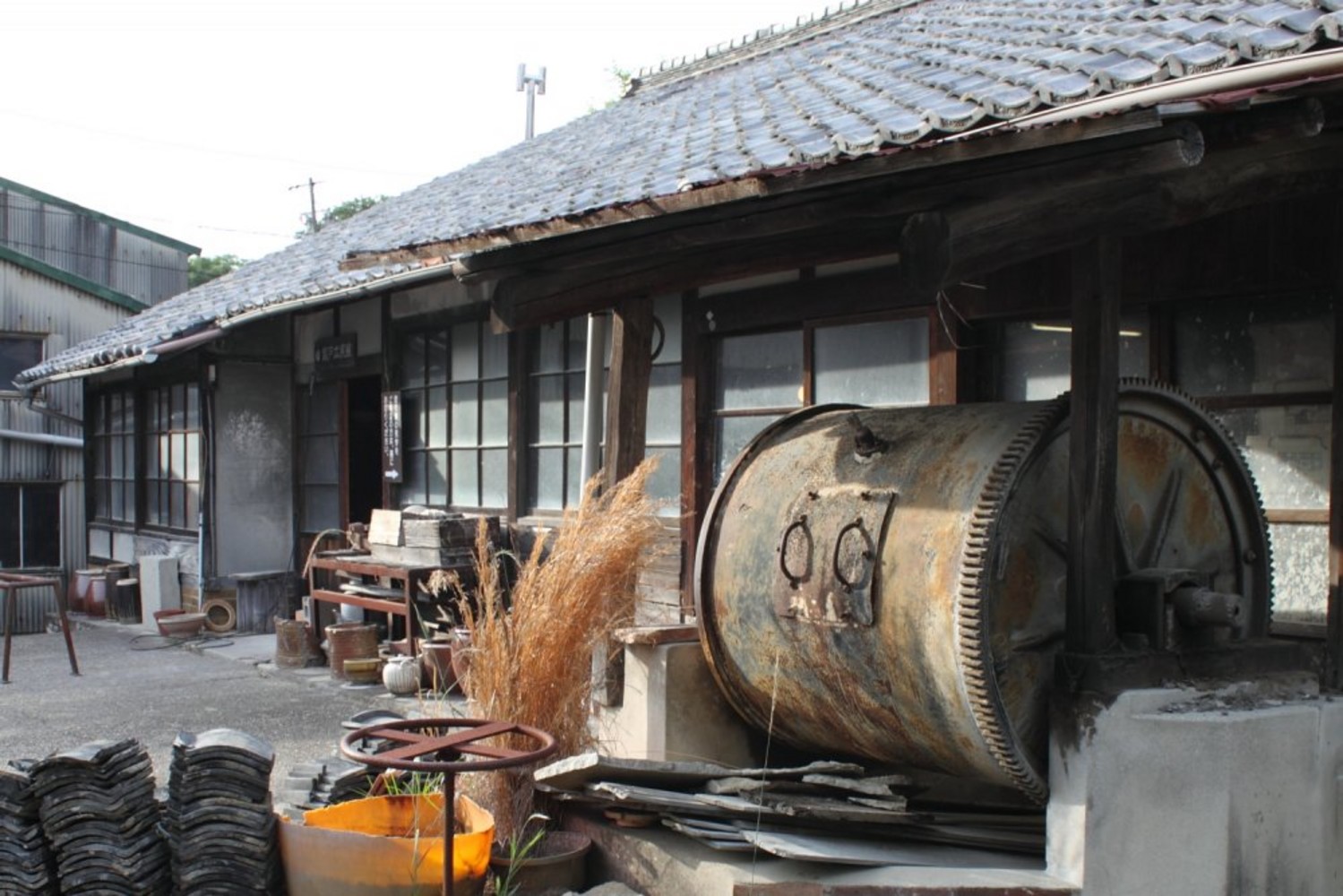
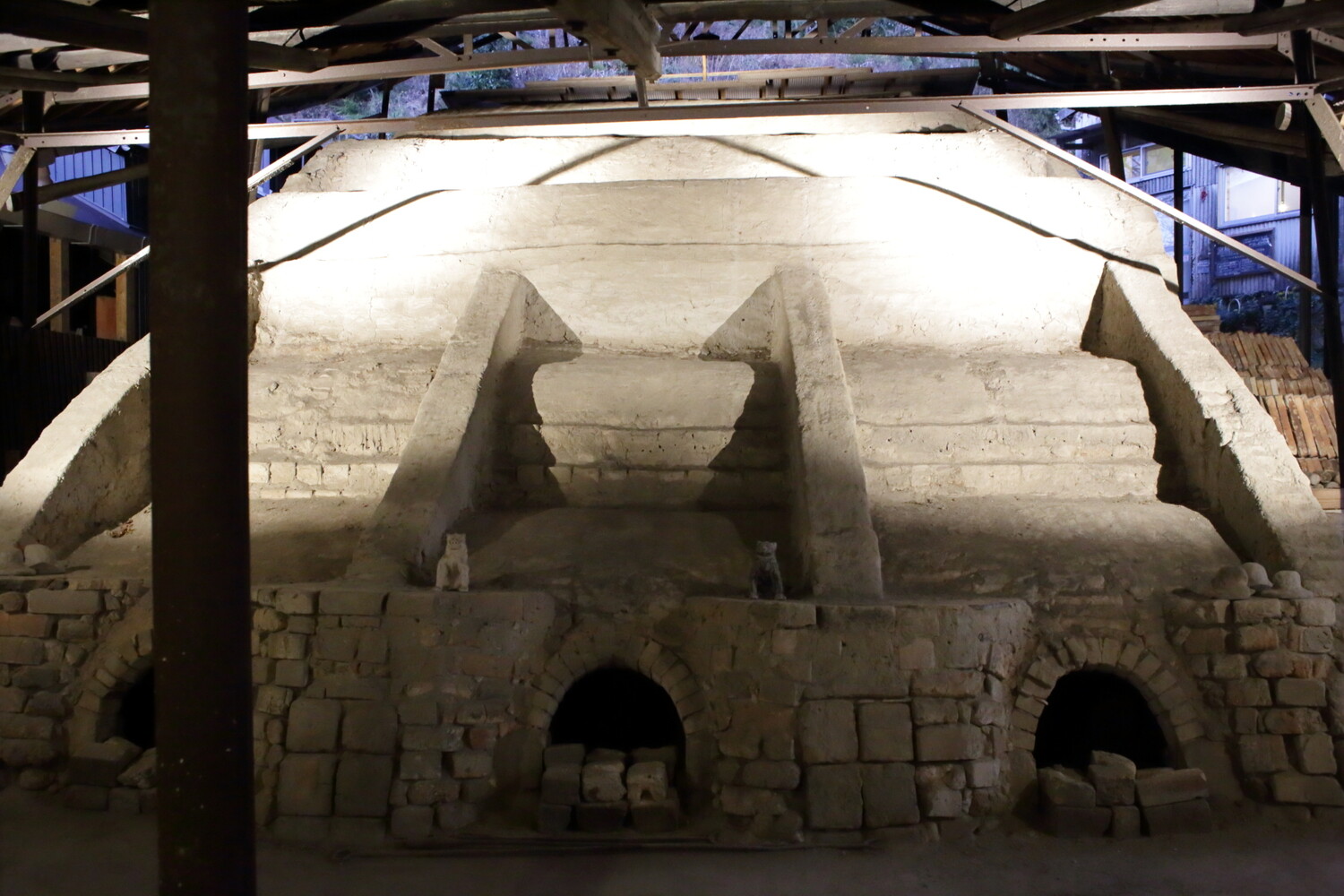
Many people associate Seto with porcelain. Around the Bunka era in the early nineteenth century, the development of blue-and-white decoration led many kilns to switch from traditional earthenware and stoneware to porcelain. Seto Hongyo Kiln did not follow that trend. It preserved the pottery-making traditions handed down since the Kamakura period, which continue into the eighth generation today.

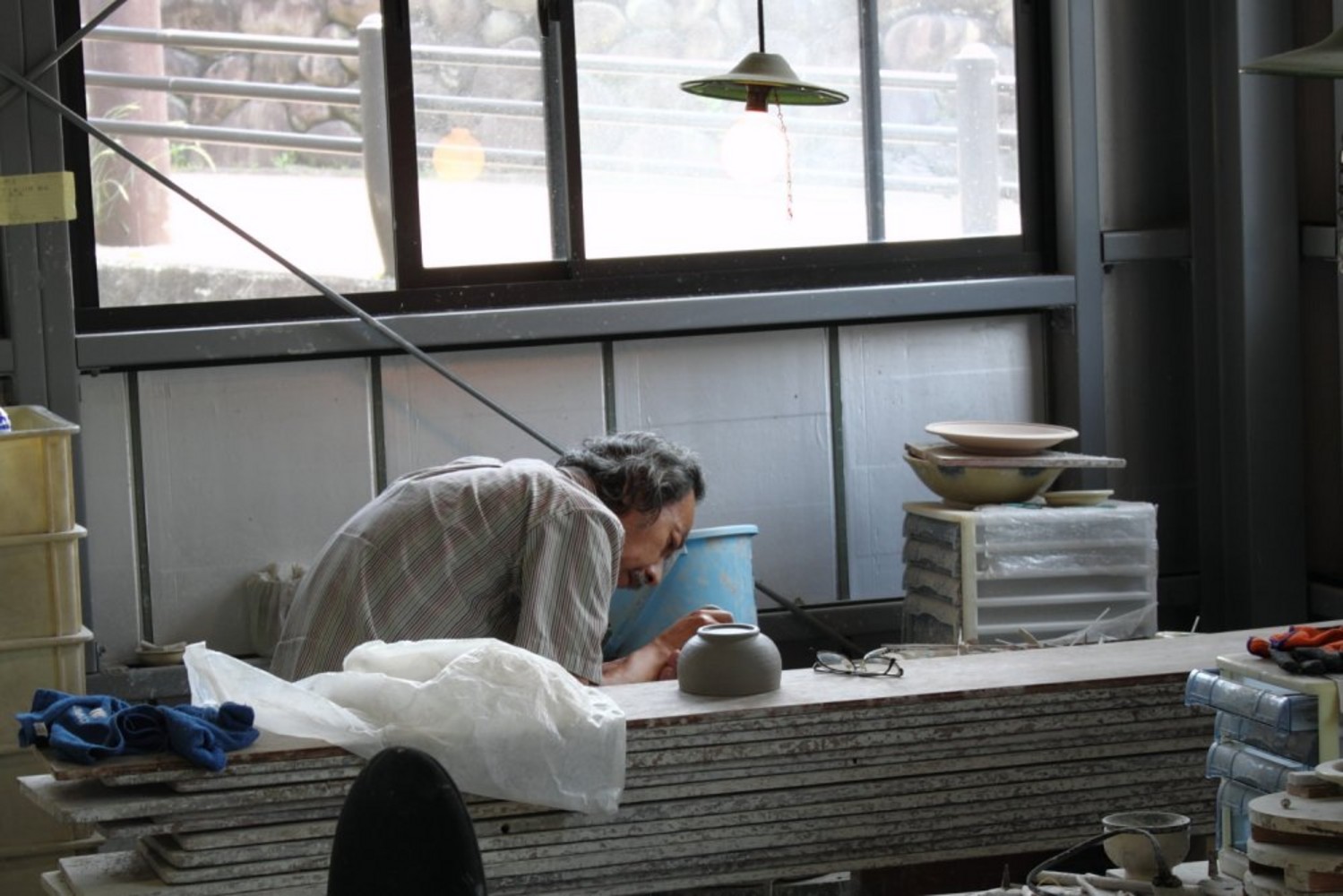
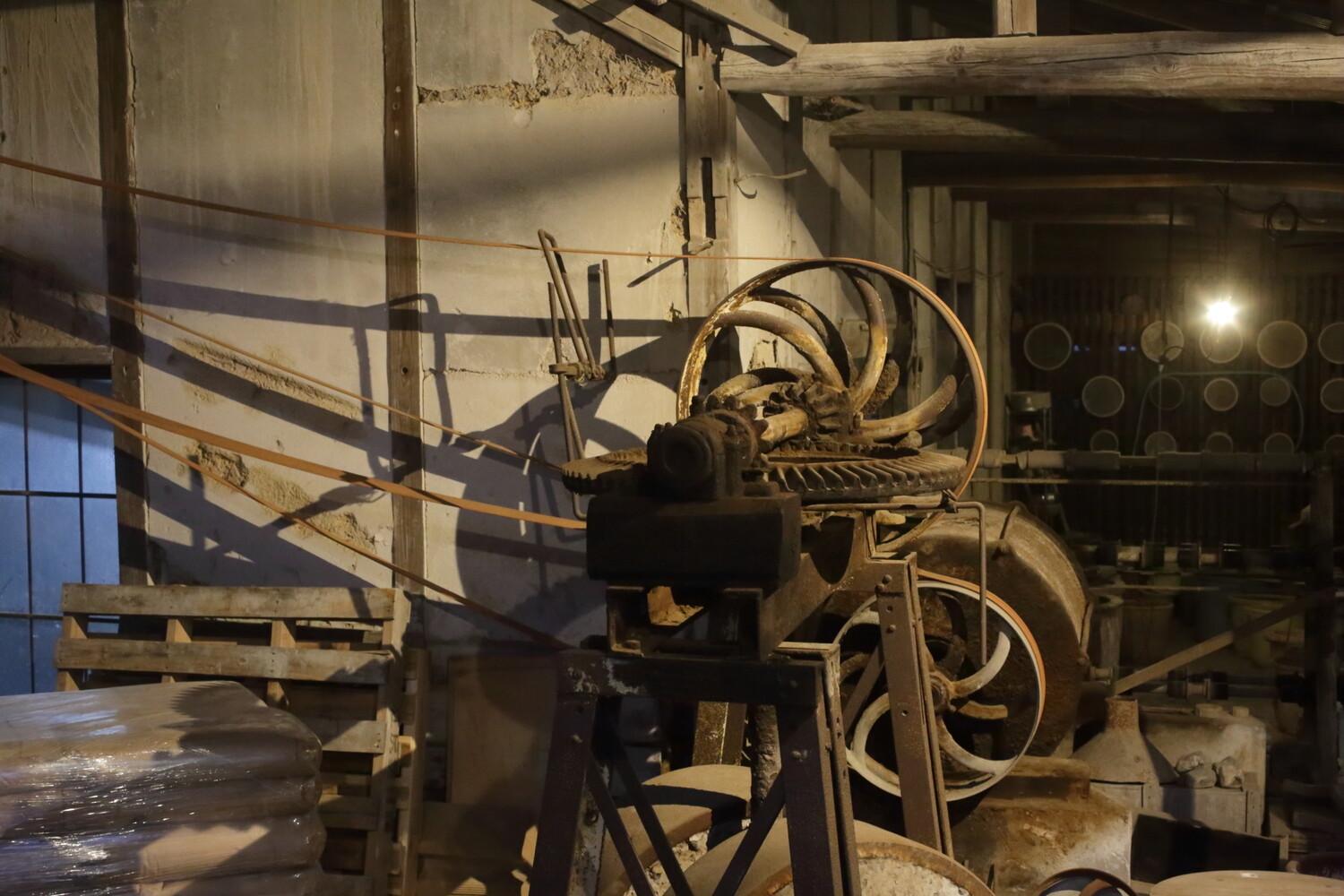
Seto Hongyo preserves the traditional division of labour: throwing, painting and each other stage are entrusted to specialist craftspeople. A single vessel therefore passes through several highly skilled pairs of hands. Many kilns now operate with small teams, and even workshops that once divided the work often have one potter carrying out every stage. Against this background, Seto Hongyo continues to make its pottery through specialised, shared work.
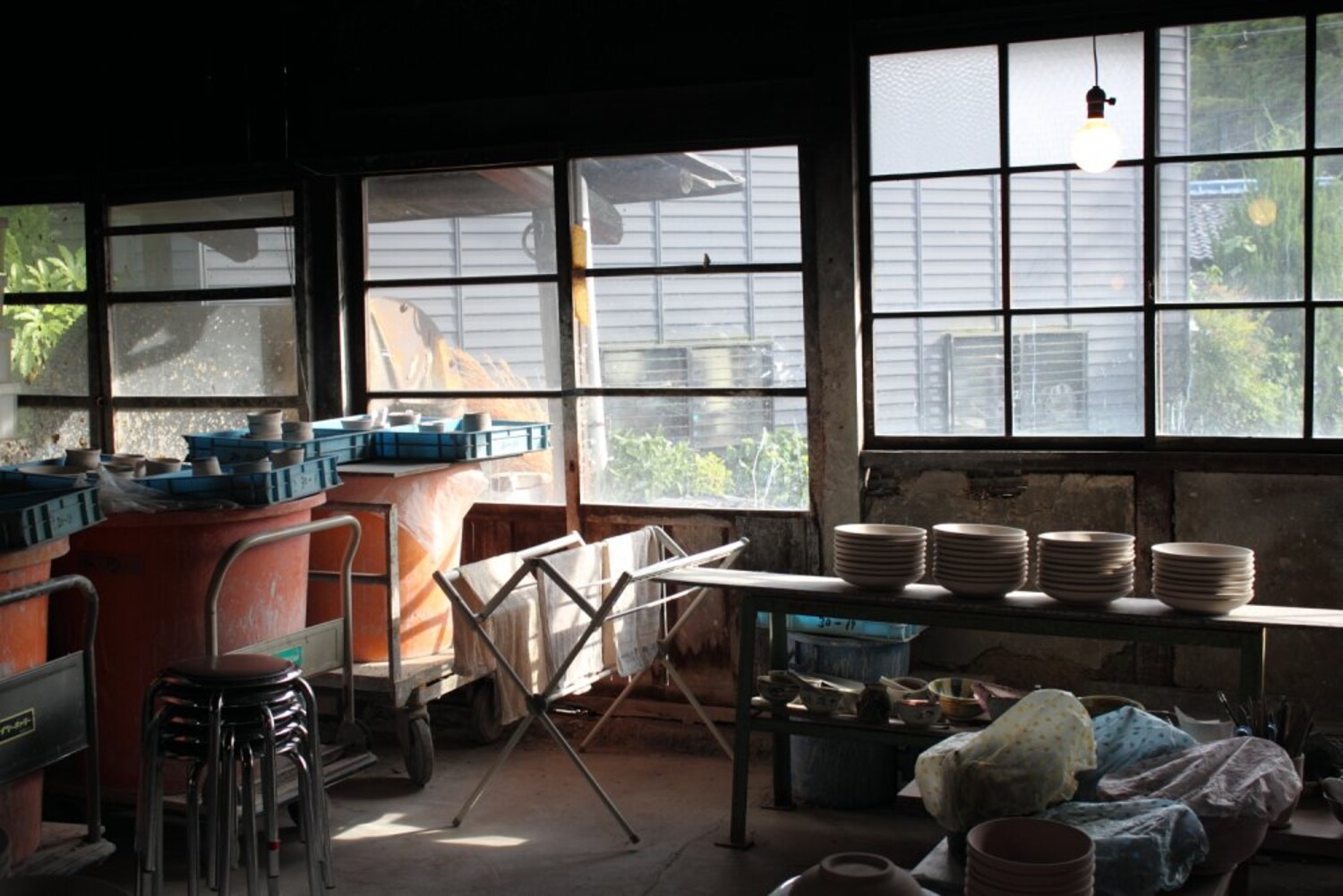
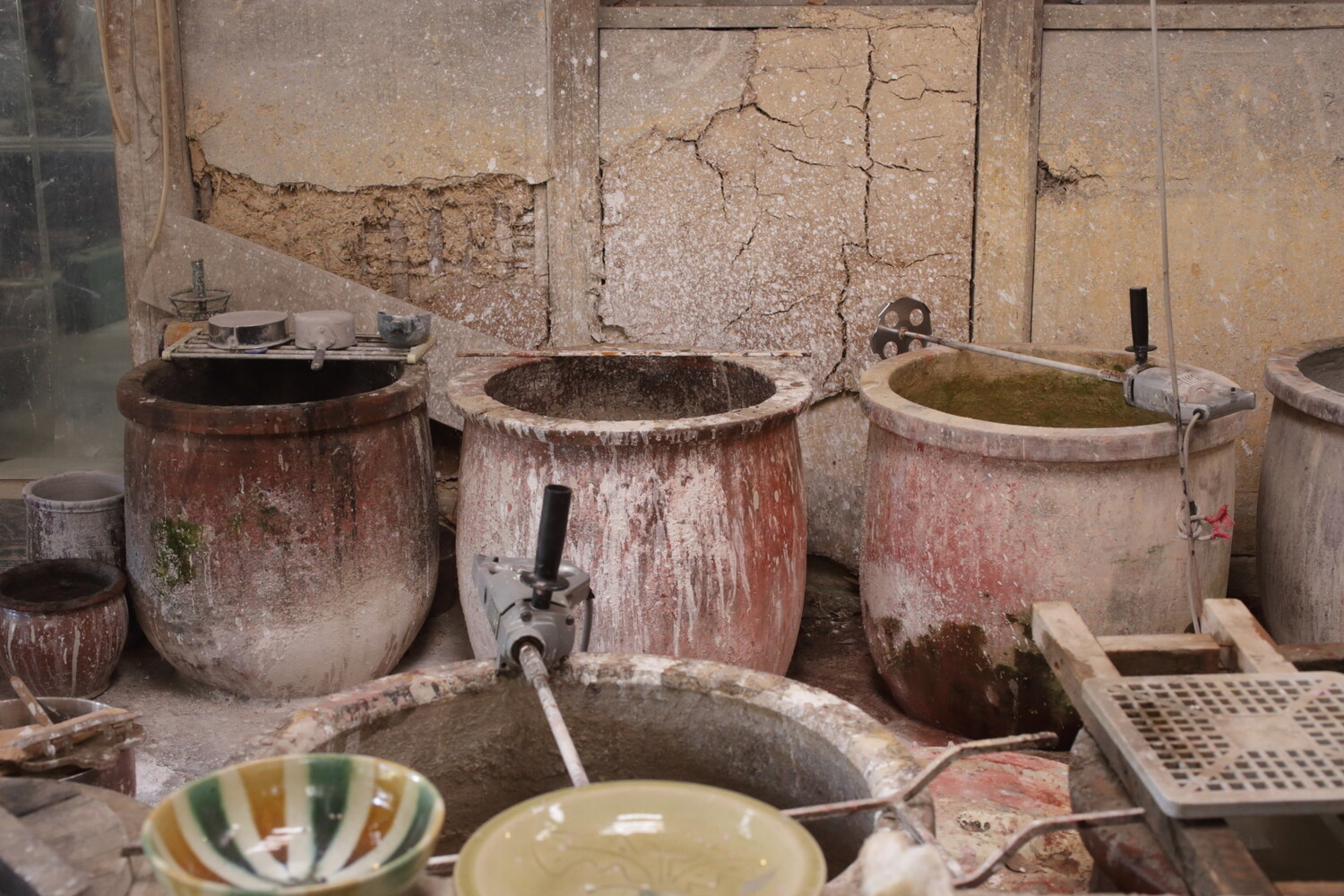
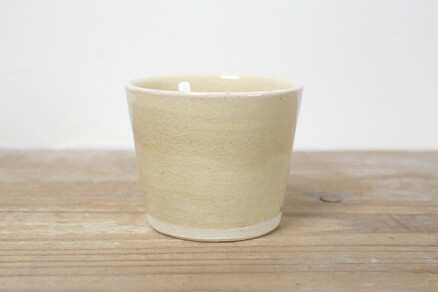
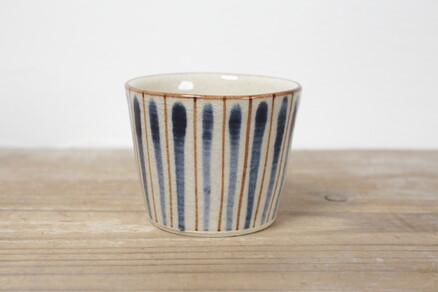
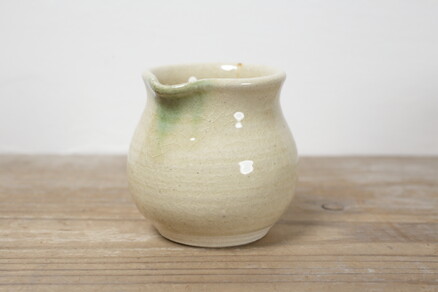
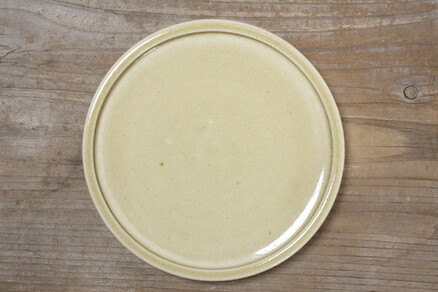
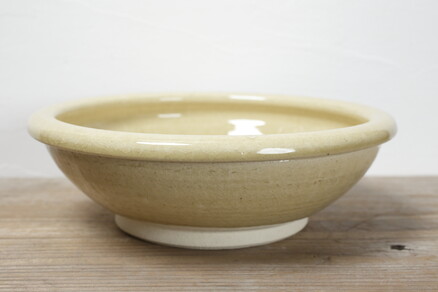
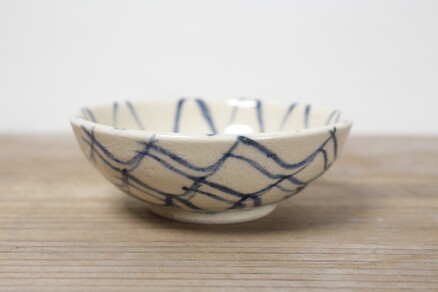
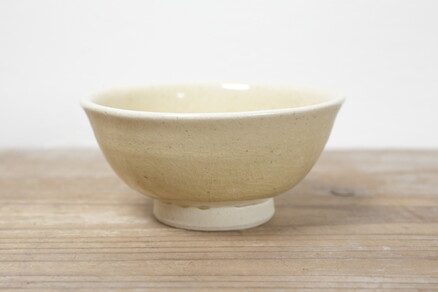
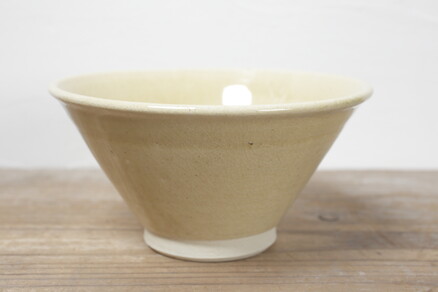
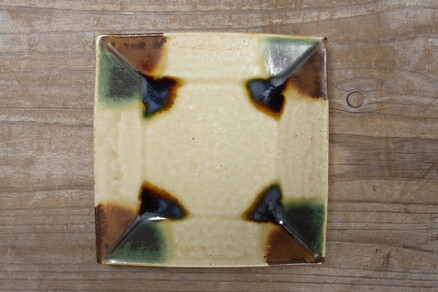
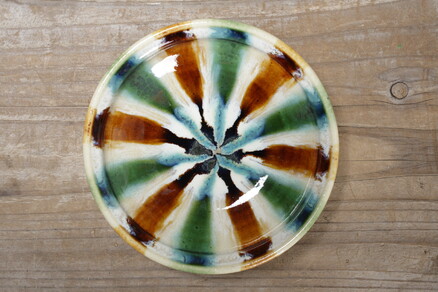
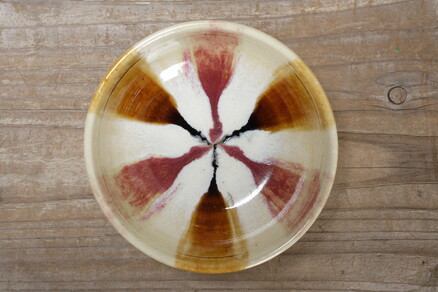
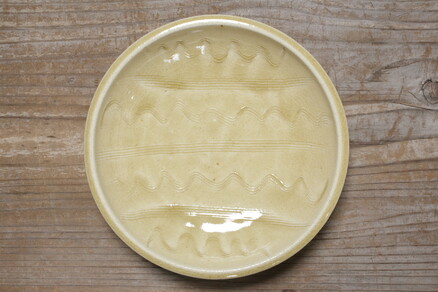
Respecting tradition while adapting to changing times and households, Seto Hongyo makes pottery that is practical yet strikingly graceful and dignified. This owes not only to carefully selected local clay and the beautiful forms shaped by skilled hands, but also to glazes painstakingly made in-house. Its mainstays include Kiseto ash glaze, with its beautiful glass-like surface; green glaze, whose history predates the Heian period and later developed into Oribe; and sansai, or three-colour glaze, originally fragile because it was fired at low temperatures but made both beautiful and durable through Seto’s expertise in high-temperature firing. Another is the dignified striped mugiwara-de decoration, whose lines seem to convey the painter’s breath. There are many other techniques and colours too, including blue-and-white decoration and the warm milky white of unofu glaze.

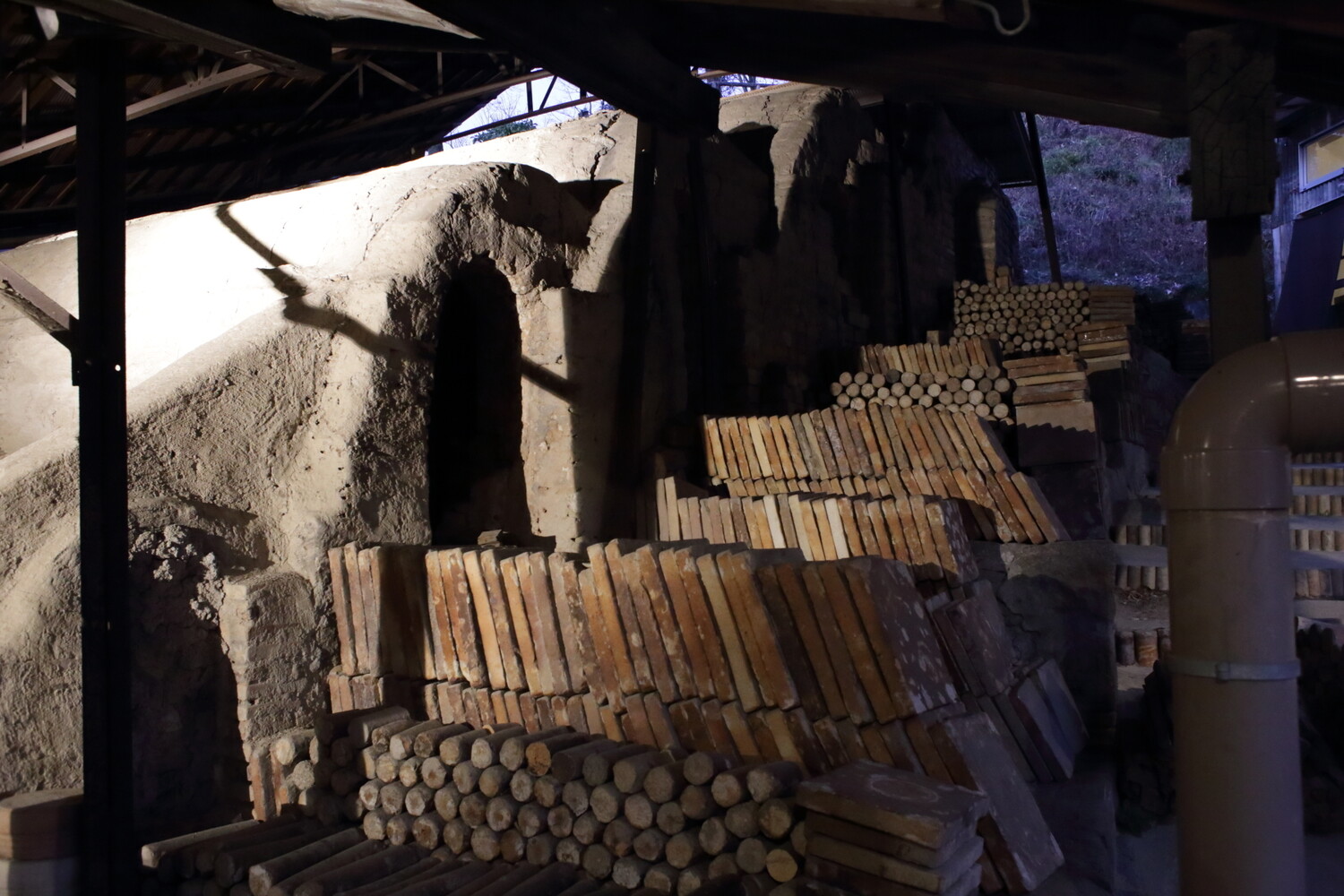
Seto Hongyo has also worked for many years to protect Seto’s pottery culture. Visitors may know the sloping path lined with long walls of stacked old kiln furniture, leading to a museum of Seto pottery. Through the efforts of seventh-generation kiln master Hanjiro Mizuno and the involvement of the local authorities, this heritage was secured for the future. Hongyo refers to the kilns practising Seto’s traditional pottery craft, handed down since the Kamakura period. The firm resolve to carry that name and tradition forward is shared by Yusuke Mizuno, successor to the eighth generation. Visiting the kiln, hearing their stories and seeing their pottery, we feel that this commitment will endure as long as Seto Hongyo does. We hope you will take their work in your hands and discover it for yourself.
Photo gallery
Terms & Conditions
Newsletter
Sign up for our newsletter:
Biography